
There's a certain quiet magic tucked away in your kitchen cupboard, a humble powder that has been revolutionising the way people approach both household chores and personal wellbeing for generations. This unassuming white substance, often overlooked amidst flashier products, quietly performs an astonishing variety of tasks with remarkable efficiency. From transforming the way you tackle stubborn odours to offering surprising health benefits, this versatile compound has earned its reputation as an indispensable ally in maintaining a fresh, clean, and healthy home. Its simplicity belies its power, making it an essential staple that transcends its traditional role in the baking tin.
The natural powerhouse: understanding sodium bicarbonate's versatility in your home
From kitchen staple to household hero: what makes this white powder so remarkable
Sodium bicarbonate, the scientific name for baking soda, has long been a cornerstone of kitchens across the country, yet its applications stretch far beyond the realm of cakes and scones. This white powder possesses a unique chemical composition that allows it to interact with a wide range of substances, making it an extraordinarily adaptable tool for countless tasks. Its ability to neutralise both acids and bases gives it an edge in everything from freshening up your refrigerator to serving as a gentle yet effective cleaning agent. The remarkable versatility of this product lies in its dual nature, acting as both a mild abrasive and a natural deodoriser, which means it can tackle grime and unpleasant smells without resorting to harsh chemicals. Unlike many commercial products that fill your home with artificial fragrances and potentially harmful ingredients, sodium bicarbonate offers a safer, more natural alternative that is both cost-effective and environmentally friendly. This powder has become a household hero not only because of its wide-ranging uses but also because it embodies a return to simpler, more sustainable living. People are increasingly drawn to this natural approach, seeking out solutions that do not compromise their health or the planet's wellbeing, and sodium bicarbonate fits that bill perfectly.
The Science Behind the Magic: How Baking Soda Interacts with Water and Vinegar
The true genius of baking soda becomes evident when you understand the science that underpins its effectiveness. When this powder comes into contact with water, it dissolves to form a mildly alkaline solution that can neutralise acidic odours and substances. This interaction is the foundation of its odour-neutralising prowess, as it doesn't merely mask unpleasant smells but instead chemically alters the molecules responsible for them. When combined with vinegar, a fascinating chemical reaction occurs, producing carbon dioxide gas that creates a fizzing action. This effervescence is not just for show; it helps to lift dirt and grime from surfaces, making it easier to wipe away stubborn stains and residues. The combination of sodium bicarbonate and vinegar is particularly effective in kitchen cleaning, as it can break down grease and food particles without the need for harsh synthetic detergents. This natural technique has been passed down through generations, valued for its simplicity and reliability. The powder's ability to absorb moisture and neutralise odours also makes it ideal for freshening up spaces throughout your house, from the refrigerator to the bathroom. By understanding how baking soda interacts with other common ingredients, you can unlock a wealth of maintenance solutions that are both powerful and gentle, offering a safer alternative to the myriad of chemical-laden products that dominate store shelves.
Brilliant cleaning techniques using baking soda throughout your house
Tackling Stubborn Odours and Stains: Natural Maintenance Solutions for Every Room
One of the most celebrated uses of sodium bicarbonate is its remarkable ability to banish stubborn odours from virtually any corner of your home. Whether it's a smelly fridge, a musty waste bin, or shoes that have seen better days, this powder works wonders by neutralising the odour particles rather than simply covering them up. Spreading a generous layer of baking soda at the bottom of your waste bin can reduce garbage odour by up to seventy percent, transforming an unpleasant chore into a far more bearable task. For those troublesome carpet stains that seem impossible to shift, mixing sodium bicarbonate with vinegar creates a powerful yet gentle cleaning solution that can lift even the most stubborn marks. This technique involves sprinkling the powder over the stain, then applying a mixture of vinegar and water to activate the fizzing action, which helps to break down the stain's structure. After allowing the mixture to work its magic for a few minutes, a simple blot with a clean cloth often reveals a dramatically improved surface. In the bathroom, this white powder serves as a common cleaning agent that can disinfect many surfaces, from tiles to sinks, without the harsh fumes associated with bleach-based products. The natural approach to maintenance not only protects your health but also extends the life of your household items by avoiding the corrosive effects of aggressive chemicals. This powder is equally adept at freshening up upholstery, deodorising bins, and even revitalising tired-looking laundry, making it an all-in-one solution for a multitude of household challenges.
Eco-friendly products you can create: combining sodium bicarbonate with common ingredients
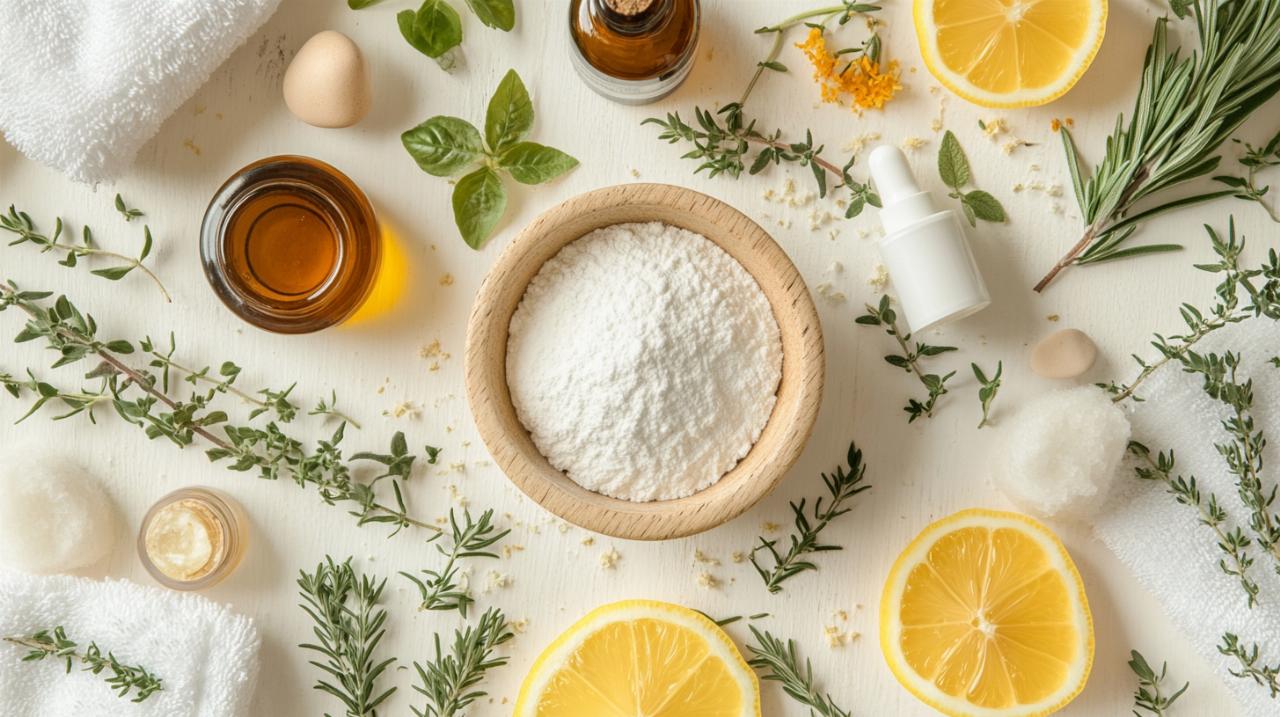
The beauty of sodium bicarbonate lies not only in its standalone effectiveness but also in its ability to be combined with other natural ingredients to create bespoke cleaning products tailored to your specific needs. Mixing this powder with lemon juice or vinegar unlocks a potent cleaning duo that can tackle kitchen appliances and surfaces with impressive results. The acidic nature of lemon juice complements the alkaline properties of the powder, creating a balanced solution that cuts through grease and grime whilst leaving a fresh, citrusy scent. For those looking to whiten and brighten their laundry, adding half a cup of baking soda to your usual detergent can make a noticeable difference, revitalising whites and removing lingering odours from fabrics. This technique is particularly useful for items that have become dull or yellowed over time, offering a natural alternative to harsh bleaching agents. Polishing silverware is another area where sodium bicarbonate shines, quite literally. By placing your tarnished items in an aluminium-lined baking dish, adding boiling water, a tablespoon of baking soda, and half a cup of white vinegar, you can watch as the tarnish lifts away, restoring the silverware's original lustre. This method is not only effective but also incredibly satisfying to witness. For those with a scorched pot that seems beyond redemption, sprinkling a generous amount of the powder on the bottom and adding enough water to cover the burnt areas can loosen the stubborn residue, making it far easier to scrub away. These eco-friendly products and techniques demonstrate that you don't need a cupboard full of specialised cleaners when a single, versatile powder can do the job just as well, if not better.
Beyond Cleaning: Food Preparation and Health Benefits of This Multi-Purpose Powder
Enhancing Your Baking and Cooking: Proper Techniques for Using Sodium Bicarbonate in Recipes
Whilst sodium bicarbonate's cleaning prowess is well documented, its role in food preparation remains its most traditional and perhaps most cherished application. In baking, this powder acts as a leavening agent, reacting with acidic ingredients to produce carbon dioxide gas, which causes dough and batter to rise. This reaction is essential for achieving the light, airy texture that characterises everything from fluffy cakes to crisp biscuits. However, using the correct technique is crucial; too much baking soda can leave a soapy, metallic taste in your finished product, whilst too little may result in a dense, flat outcome. The key is to measure carefully and ensure that your recipe includes an acidic component, such as buttermilk, yoghurt, or lemon juice, to activate the powder effectively. Beyond traditional baking, sodium bicarbonate can also be used to tenderise meat by altering the pH of the surface, making it a valuable tool in your cooking arsenal. Some cooks even add a pinch to the water when boiling vegetables to preserve their vibrant colour, though this technique should be used sparingly to avoid affecting the texture. Interestingly, soaking fruit and vegetables in a solution of baking soda and water for twelve to fifteen minutes can remove nearly all pesticide residue, offering a natural way to ensure your food is as clean and safe as possible. This application highlights the powder's versatility, bridging the gap between culinary tradition and modern health-conscious practices.
Natural Remedies and Wellness Applications: Safe Uses of Baking Soda for Personal Care
Beyond the kitchen and the cleaning cupboard, sodium bicarbonate has carved out a significant role in the realm of personal care and wellness, offering a range of natural remedies that have been trusted for generations. One of the most popular uses is as a mouthwash, where mixing half a teaspoon of the powder with half a glass of warm water and swishing as usual can help maintain oral hygiene. Research suggests that this powder may be more effective than toothpaste without baking soda when it comes to whitening teeth and removing plaque, making it a valuable addition to your dental care routine. For those seeking a natural deodorant, sodium bicarbonate is a common ingredient that helps absorb odours, offering a chemical-free alternative to conventional products. Its ability to neutralise odours extends to personal care as well, with some people using it to freshen up smelly shoes by placing a couple of tablespoons of the powder in cheesecloths or thin pieces of fabric and tucking them inside. When it comes to soothing discomfort, dissolving a teaspoon of baking soda in a glass of cold water can provide relief from heartburn, whilst adding half a teaspoon to half a glass of warm water can ease the pain caused by canker sores. Athletes and fitness enthusiasts may be particularly interested in the potential of sodium bicarbonate supplements to improve exercise performance, with studies suggesting that doses around point three grams per kilogram of body weight can offer benefits. For those with dry, itchy, or scaly skin, adding one to two cups of the powder to a lukewarm bath can provide soothing relief. Emerging research even points to potential benefits for individuals with chronic kidney disease, as taking sodium bicarbonate supplements may help improve kidney function and slow the progression of the condition. Additionally, there is evidence to suggest that baking soda may support chemotherapy by making the environment for tumours less acidic, allowing medicines to work more effectively. These health benefits, combined with its cleaning and culinary applications, truly cement sodium bicarbonate's status as a multi-purpose powder that deserves a permanent place in every home.