
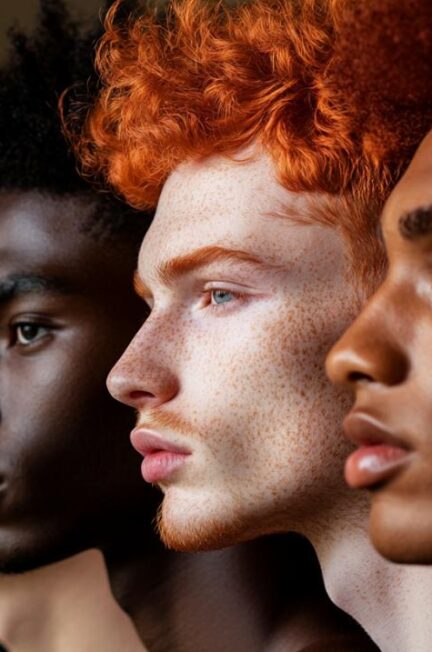
In contemporary society, the notion that someone might face ridicule or exclusion based solely on their hair colour seems absurd. Yet redheads, often branded with the term ginger, continue to encounter a peculiar form of prejudice that ranges from schoolyard teasing to outright discrimination. This phenomenon, rooted in centuries of misguided beliefs and perpetuated by modern media, reveals how deeply entrenched stereotypes can shape social attitudes. Through the experiences of individuals like Andre, Valerie, and Pascal, we gain insight into the daily realities of those who navigate a world that has not always celebrated their difference. Their stories illuminate the ongoing struggle for acceptance and the vital importance of representation in challenging harmful narratives.
The Historical Roots of Ginger Prejudice: From the Middle Ages to Modern Stereotypes
Medieval Misconceptions and the Birth of Anti-Redhead Sentiment
The origins of prejudice against redheads can be traced back to the Middle Ages, a period when superstition and fear often dictated social norms. During this era, red hair was frequently associated with witchcraft, deceit, and moral corruption. The minority status of redheads made them easy targets for suspicion, and various myths suggested that those with fiery locks were somehow marked by the devil or possessed untrustworthy natures. Such beliefs were not merely confined to folklore; they influenced real-world treatment, contributing to a legacy of mistrust and marginalisation that persists in subtler forms today. This historical context reveals how derogatory language and stereotypes about redheads have deep roots in cultural anxiety surrounding difference.
How South Park and Popular Media Perpetuated the 'Uglies' Narrative
Fast forward to the modern age, and the prejudice against gingers found a new platform in popular culture. The animated series South Park famously aired an episode that branded redheads as soulless and inferior, sparking a wave of so-called ginger phobia among impressionable audiences. The term uglies became shorthand for a broader campaign of verbal abuse directed at those with red hair, freckles, and pale skin. While the show's creators intended satire, the episode inadvertently reinforced offensive language and stereotypes that many young redheads faced in schools and communities. This example underscores how media representations can amplify prejudiced attitudes, transforming historical biases into contemporary slurs that contribute to social inequality.
Real voices, real stories: andre, valerie, and pascal navigate discrimination
Andre's Experience: Confronting Daily Prejudice in School and Beyond
For Andre, growing up with red hair meant enduring a relentless barrage of mockery. From primary school onwards, classmates seized upon his appearance as a focal point for teasing, often using derogatory language that framed his natural features as inherently flawed. The insults ranged from harmless jokes to more insidious forms of linguistic discrimination, with peers suggesting that redheads were less attractive or less capable. Andre's experience reflects a broader pattern of ableism and racial prejudice, where physical characteristics become grounds for exclusion. Despite these challenges, he learned to confront the stereotypes head-on, advocating for cultural sensitivity and pushing back against the notion that his hair colour defined his worth. His journey illustrates the resilience required to navigate a world where even seemingly trivial differences can provoke prejudice.
Valerie and Pascal: Reclaiming Identity Through Visibility and Advocacy
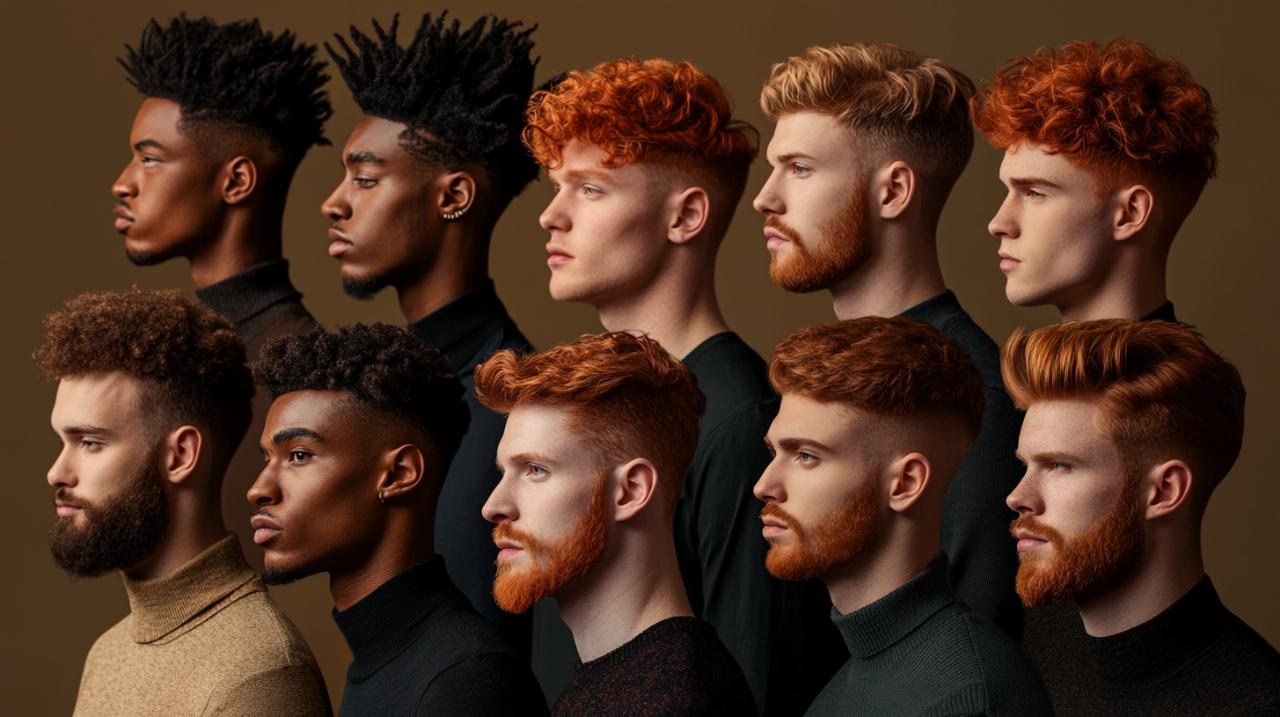
Valerie and Pascal, both redheads who have faced similar discrimination, chose a different path by actively promoting visibility and challenging the narratives that had long marginalised them. Valerie became involved in campaigns aimed at celebrating redhead representation in media, arguing that positive portrayals could counteract the harmful effects of shows like South Park. She emphasised the importance of showcasing redheads in diverse roles, moving beyond the tropes that reduced them to objects of ridicule or exoticism. Pascal, meanwhile, focused on education, working to inform communities about the historical examples of prejudice that have targeted minority groups, including redheads. Together, their efforts highlight the power of advocacy in dismantling prejudiced attitudes and fostering a more inclusive society. By reclaiming their identity, they demonstrate that difference should be celebrated rather than stigmatised.
Celebrating Difference: National Redhead Day and the Movement Towards Acceptance
The Significance of National Redhead Day in Challenging Social Bias
National Redhead Day, observed annually, serves as a symbolic reminder of the need to challenge social bias and celebrate diversity. This event emerged in response to the persistent stereotypes and derogatory language that redheads have faced throughout history. By dedicating a day to recognising the contributions and uniqueness of those with red hair, advocates hope to shift public perceptions and reduce the prevalence of ginger phobia. The celebration encourages people to reflect on how prejudice manifests in everyday interactions, from offhand comments to more serious instances of verbal abuse. It also provides a platform for redheads to share their stories, fostering a sense of community and solidarity. In this way, National Redhead Day functions as both a celebration and a call to action, urging society to move beyond outdated prejudices.
Building a Future Free from Ginger Phobia: Education and Representation
Looking ahead, the fight against ginger phobia requires sustained efforts in education and representation. Schools must incorporate lessons on cultural sensitivity and the dangers of linguistic discrimination, teaching students to recognise and reject stereotypes from an early age. Media creators, too, bear responsibility for crafting narratives that avoid perpetuating slurs and offensive language. Positive representation matters, as it shapes how society perceives minority groups, whether they are defined by race, religion, gender, age, or physical characteristics. The experiences of the Irish community, Muslims, the LGBTQ community, Native Americans, and the Black community all illustrate how prejudice thrives in the absence of understanding and empathy. By drawing parallels between these struggles and the discrimination faced by redheads, we can build a broader movement against all forms of social inequality. The stories of Andre, Valerie, and Pascal remind us that change is possible when individuals refuse to accept prejudice as the norm. Their advocacy, coupled with initiatives like National Redhead Day, paves the way for a future where difference is not merely tolerated but genuinely celebrated.