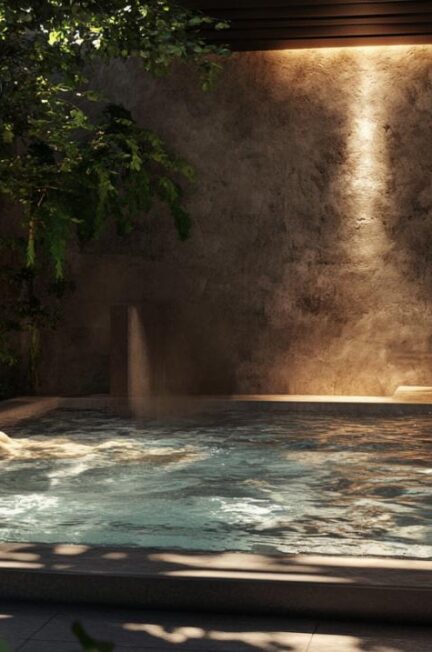
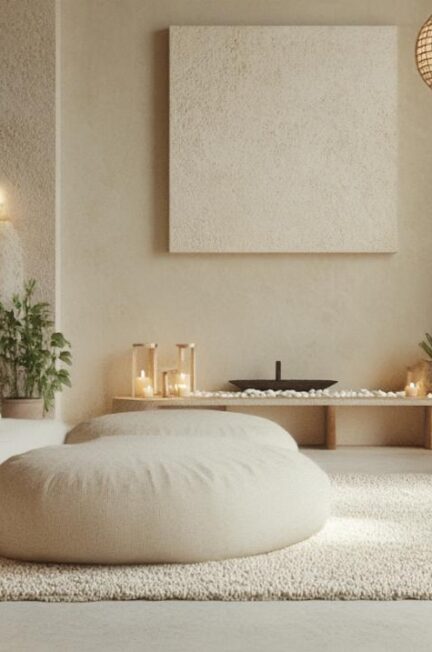
Creating a home that radiates tranquillity and promotes well-being has become an essential aspect of modern living. With increasing awareness of mental health and self-care, more people are seeking ways to transform their living spaces into havens of calm and relaxation. By thoughtfully selecting materials, embracing natural elements, and prioritising comfort, you can design an environment that nurtures both body and mind. This approach to interior design not only enhances daily life but also elevates your home into a personal sanctuary where stress melts away and rejuvenation takes centre stage.
Creating a calming atmosphere through mindful design
The foundation of any relaxing wellness retreats lies in the deliberate cultivation of a calming atmosphere. Every element within a space contributes to the overall mood, from the choice of colours to the arrangement of furniture. Soft, neutral tones such as warm beiges, gentle greys, and muted greens create a soothing backdrop that encourages relaxation. These hues work harmoniously with natural light to establish a serene environment that feels both welcoming and restorative. Incorporating high-quality linens and plush textiles further enhances the sense of comfort, inviting you to unwind after a long day. The psychological benefits of a well-designed sanctuary are profound, offering a refuge from the demands of everyday life whilst promoting mental clarity and emotional balance.
Establishing Quiet Zones for Meditation and Reflection
Designating specific areas within your home for meditation and reflection is a powerful way to prioritise self-care. These quiet zones serve as dedicated spaces where you can disconnect from distractions and focus on inner peace. Consider creating a meditation deck or a small nook furnished with comfortable seating and soft cushions. Natural materials such as wood and stone can be integrated into these areas to evoke a sense of grounding and connection to the earth. Adding elements like Himalayan salt lamps not only provides a warm, ambient glow but also contributes to a calming atmosphere. The practice of decluttering is equally important, as a tidy space promotes mental clarity and reduces feelings of overwhelm. By removing unnecessary items and organising your surroundings, you create an environment that supports mindfulness and relaxation.
Choosing the Right Lighting to Set a Tranquil Mood
Lighting plays a crucial role in shaping the ambience of any room. To foster a tranquil mood, it is essential to maximise natural light during the day whilst incorporating soft, adjustable lighting for the evening. Floor-to-ceiling windows are an excellent feature for enhancing the indoor-outdoor connection, allowing sunlight to flood your space and create a sense of openness. When natural light diminishes, opt for warm, dimmable fixtures that mimic the gentle glow of sunset. Blackout curtains can be used in bedrooms to ensure restful sleep, whilst soft lighting in living areas encourages relaxation and unwinding. The careful selection of lighting not only influences the visual appeal of your home but also affects your circadian rhythm and overall well-being.
Bringing nature indoors with natural elements
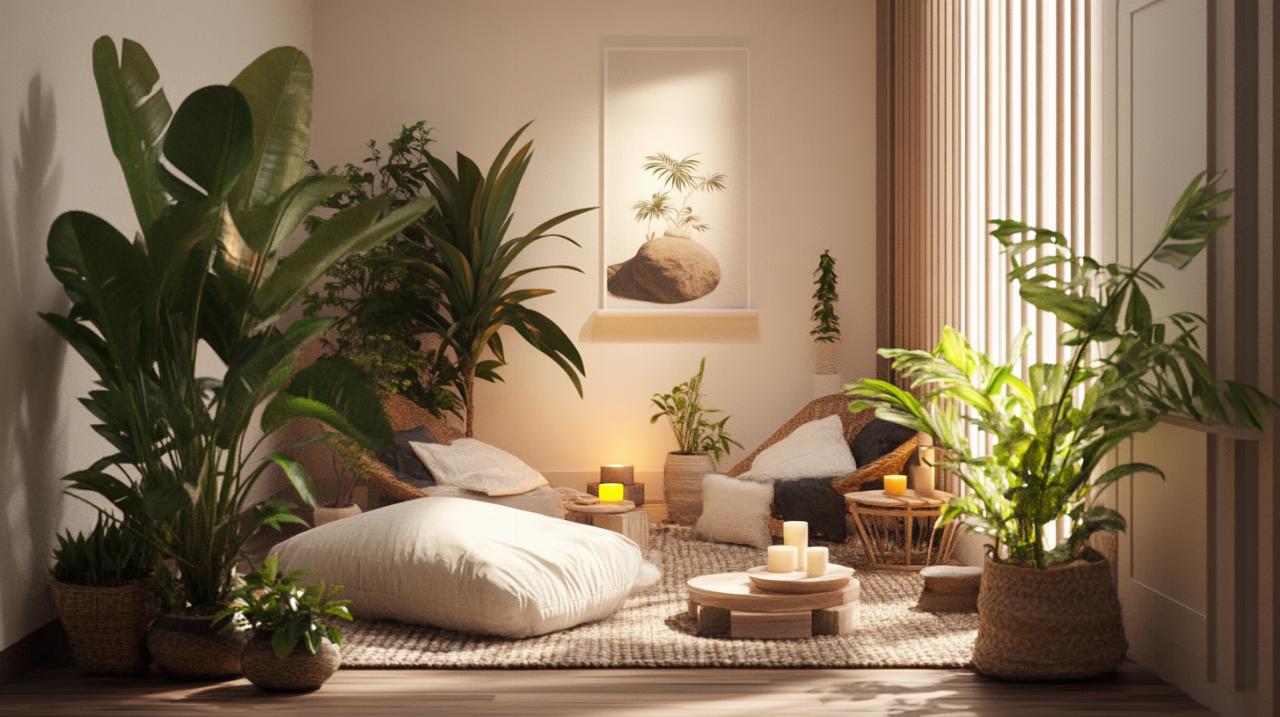
Incorporating natural elements into your home is a transformative strategy for creating a wellness-focused environment. The presence of organic materials and greenery has been shown to improve mood, reduce stress, and enhance overall quality of life. By blurring the boundaries between indoors and outdoors, you can cultivate a space that feels fresh, vibrant, and deeply connected to the natural world. This approach aligns with the principles of wellness interior design, which emphasises the importance of harmony, balance, and sustainability.
Incorporating organic materials like wood and stone
The use of organic materials such as wood and stone brings an earthy, grounding quality to your home. These elements not only add visual warmth but also create a tactile experience that enhances the sense of comfort. Exposed wooden beams, reclaimed timber furniture, and stone countertops are just a few examples of how these materials can be integrated into your design. Products like the Caesarstone Icon collection, which boasts a composition of eighty per cent recycled materials, offer both aesthetic appeal and environmental responsibility. Similarly, the Dornbracht Vaia faucet incorporates recycled eggshells into its innovative design, merging sustainability with luxury. Stone features, such as Carrara marble or Cosentino Sensa quartzites, provide durability and timeless elegance whilst adding a touch of natural beauty. By prioritising quality materials and sustainable living, you create a home that reflects both style and a commitment to the planet.
Selecting Greenery and Houseplants for a Fresh Ambience
Introducing houseplants into your living space is one of the simplest yet most effective ways to enhance the atmosphere. Indoor greenery not only purifies the air but also adds a vibrant, living element that invigorates any room. Consider selecting a variety of plants that thrive indoors, such as ferns, peace lilies, or succulents, and place them strategically throughout your home. A rock garden or a collection of potted plants on a windowsill can serve as a focal point that draws the eye and creates a sense of connection to nature. The care and attention required for these plants also offer a mindful activity that can be deeply therapeutic. Pairing greenery with natural materials and soft lighting creates a cohesive design that promotes well-being and tranquillity. Whether you opt for a single statement plant or a lush collection, the presence of greenery transforms your home into a sanctuary of freshness and vitality.
By embracing these design principles, you can transform your home into a personal sanctuary that prioritises wellness, comfort, and beauty. From the thoughtful selection of materials to the creation of dedicated quiet zones, every element contributes to an environment that nurtures your well-being and supports a balanced, fulfilling lifestyle.