

Temple recession is one of the earliest and most visible signs of hair thinning, and for many people living in Paris, it raises an urgent question: what can actually be done about it? Whether the hairline has been retreating gradually over several years or the change has felt more sudden, understanding the underlying causes and the growing range of hair restoration options available today is the essential first step towards making an informed decision.
At a glance
- Temple recession is primarily driven by genetic sensitivity to DHT, which causes hair follicles to miniaturize and eventually stop producing visible hair.
- Lifestyle factors such as stress and nutritional deficiencies can accelerate hair thinning, though hereditary patterns remain the dominant influence.
- Follicular Unit Extraction (FUE) transplantation is considered the most effective permanent solution for significant temple recession due to its precision in replicating natural hairlines.
- Non-surgical options like PRP therapy, low-level laser therapy, and scalp micropigmentation provide viable alternatives for individuals not requiring or seeking surgical intervention.
- Medications such as finasteride and minoxidil remain foundational for managing hair loss by addressing hormonal root causes or stimulating follicle activity.
- When selecting a clinic in Paris, patients should prioritize practitioners with specific experience in hairline artistry and a personalized approach to treatment planning.
- Effective consultations should focus on realistic expectations, long-term maintenance, and whether the proposed treatment targets the root cause of the hair thinning.
Why do temples thin first and what triggers this localised hair loss?
The biological factors behind temple recession
The temples are particularly vulnerable to hair loss because the follicles in that area are highly sensitive to hormonal changes, especially the influence of DHT, a derivative of testosterone that progressively miniaturises hair follicles over time. This process, central to male pattern baldness and also observed in female pattern baldness, gradually reduces the diameter and pigmentation of each hair shaft until the follicle eventually stops producing visible hair altogether. The phenomenon is closely tied to hair follicle regeneration capacity, which diminishes as follicles shrink and become dormant. Understanding this biological mechanism helps explain why DHT blockers are so frequently discussed in the context of treatments, as they aim to interrupt this cascade at its hormonal root rather than simply treating surface symptoms.

How lifestyle and genetics influence temple baldness
Genetics remain the dominant factor in temple recession, with hereditary patterns determining both the timing and the extent of hair thinning. However, lifestyle elements play a meaningful supporting role. Chronic stress, nutritional deficiencies — particularly iron — significant weight loss, and certain illnesses can all accelerate or temporarily trigger hair loss causes beyond what genetics alone would produce. It is also worth noting that losing a modest number of hairs each day is entirely normal and not in itself a sign of a problem. Where temple hair loss differs is in its pattern and persistence, which tend to signal androgenetic alopecia rather than a temporary disruption. Consulting a medical professional remains the most reliable way to distinguish between the two and to rule out any underlying condition affecting scalp health.
Which modern hair restoration techniques address temple recession effectively?
Transplantation methods suited to temple areas
For those experiencing significant or established temple recession, hair transplantation — and specifically follicular unit extraction — has become the most widely recommended permanent solution. This technique involves harvesting individual follicular units from a donor area, typically at the back of the scalp, and implanting them precisely into the receding temple zones. The temple region requires particular artistic skill from the practitioner, as the hairline angle and direction of growth in that area must be replicated convincingly for the results to appear natural. Robotic-assisted transplant systems have improved precision in recent years, though experienced surgeons continue to be regarded as delivering the most refined outcomes. Hybrid procedures, which combine a traditional transplant with regenerative therapies administered at the same time, are increasingly considered a comprehensive approach to restoring both density and long-term follicle health.
Non-surgical approaches for strengthening temple hair
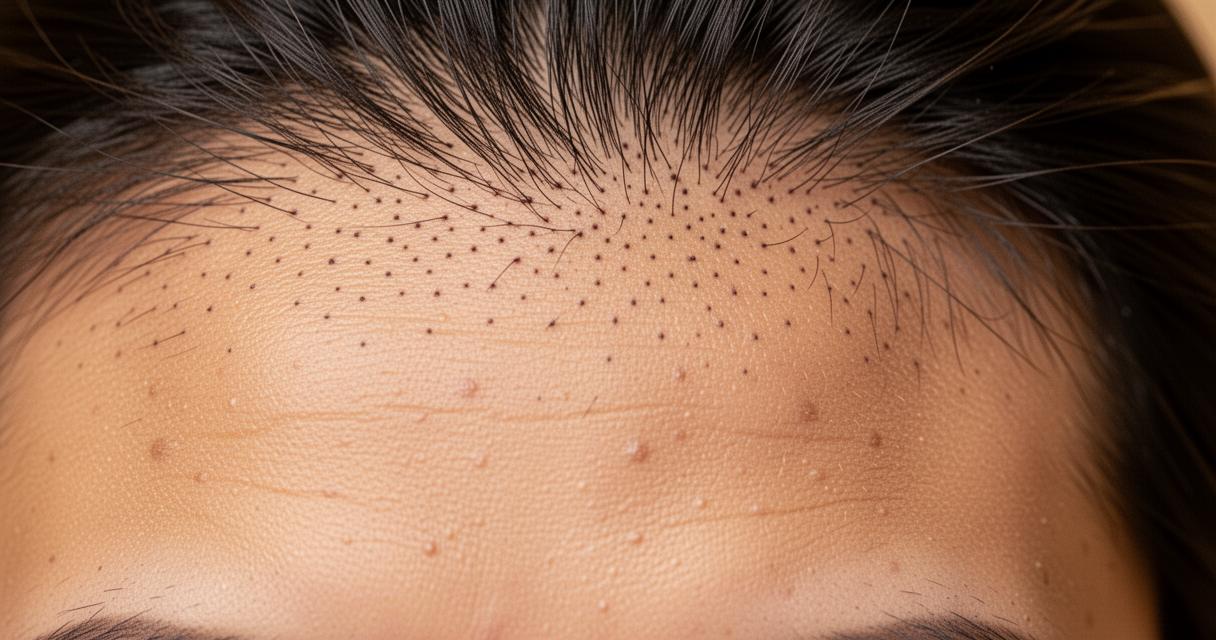
Not every situation calls for surgery, and a broad spectrum of non-surgical hair treatment options has expanded considerably in recent years. Platelet rich plasma therapy, commonly known as PRP, involves drawing a small amount of the patient’s own blood, concentrating the growth factors within the plasma, and injecting this solution into the scalp. PRP is one of the regenerative approaches currently available. Low level laser therapy offers another non-invasive route, using specific light wavelengths to stimulate follicular activity, with a proportion of patients reporting moderate improvement in density. Scalp micropigmentation, while not a regrowth treatment, has advanced significantly and can create a remarkably convincing visual impression of hair density by replicating the appearance of follicles on the scalp surface. Emerging areas of regenerative medicine, including exosome therapy and stem cell approaches, show genuine early promise for hair follicle regeneration, though these remain largely investigational and are not yet standardised for routine clinical use. Established medications such as minoxidil and finasteride continue to serve as foundational tools, with oral minoxidil gaining traction as a convenient alternative to topical application. It is important to approach any treatment with realistic expectations, as no approach carries a guarantee of results for every individual.
How to Choose the Right Hair Restoration Pathway in Paris for Your Temple Concerns?
Criteria for selecting a clinic or practitioner
Paris offers a wide range of clinics and specialists addressing hair loss treatments, which makes the selection process both an opportunity and a challenge. The most important criterion is the practitioner’s specific experience with temple hairline work, as this area demands a refined understanding of facial proportions and natural growth patterns. Credentials, before-and-after documentation, and a clear clinical pathway are all indicators worth examining carefully. Protocols that combine established methods — such as FUE or PRP — with newer adjunctive therapies under qualified supervision represent the current direction of best practice in the field. Clinics that take time to assess the individual’s degree of alopecia areata or androgenetic hair loss, their donor hair characteristics, and their longer-term expectations tend to offer more tailored and appropriate recommendations.
Questions to ask during your initial consultation
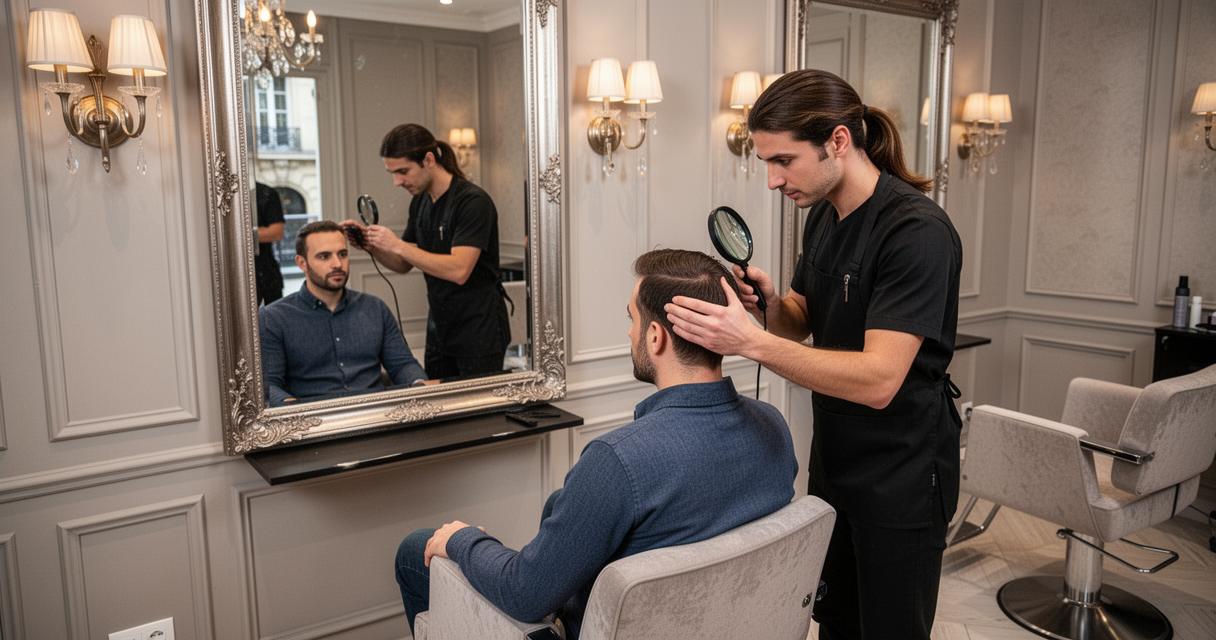
Arriving at a consultation well-prepared makes a significant difference to the quality of the conversation and the decisions that follow. It is worth asking which specific treatments are being recommended and why they suit your particular pattern of hair thinning. Enquire about the realistic timeline for seeing results, the number of sessions likely to be required, and what maintenance might look like over time. Understanding whether a proposed plan addresses the root cause — for instance, through DHT blockers or hormonal assessment — or focuses primarily on cosmetic improvement helps set appropriate expectations. Questions about the practitioner’s experience with the temple region specifically, and about how they would approach a case where initial results are limited, are equally worthwhile. The goal of this initial exchange is not just to gather information but to assess whether the practitioner listens carefully, explains clearly, and offers a plan genuinely built around your situation rather than a one-size-fits-all solution. Hair regrowth at the temples is an achievable goal for many people, provided the approach is grounded in honest assessment and sound clinical judgement.