
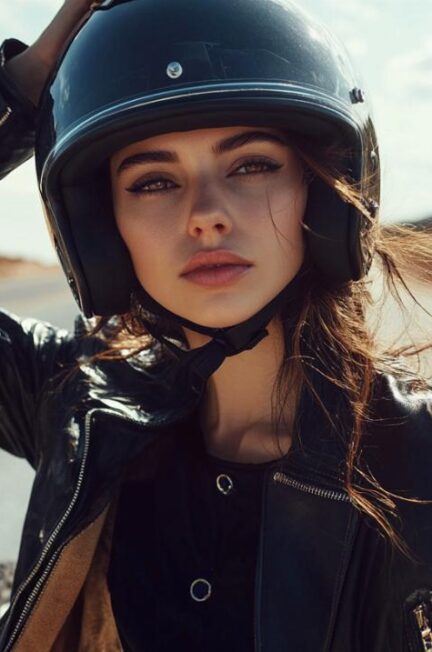
Every motorcyclist knows the frustration of removing their helmet after a ride only to discover their carefully styled hair has transformed into a flattened, sweaty mess. Whether you are commuting to work, meeting friends for coffee, or embarking on a weekend adventure, maintaining a presentable hairstyle under a motorcycle helmet presents a unique challenge. The good news is that with the right helmet liner and a few clever techniques, you can protect your locks and arrive at your destination looking polished and put-together.
Understanding the Impact of Helmet Liners on Your Hair
The relationship between your helmet and your hair is more complex than it might initially appear. A helmet liner plays a crucial role in determining whether you step off your motorcycle with your style intact or sporting the dreaded helmet hair look. Understanding how different liner materials interact with your hair can make all the difference in preserving your appearance whilst ensuring safety on the road.
Why standard helmet liners can ruin your hairstyle
Traditional helmet liners are typically designed with safety and comfort as the primary concerns, but they often overlook the impact on your hairstyle. Many standard liners feature rough, synthetic materials that create excessive friction against your hair strands. This constant rubbing during your ride can cause individual hairs to tangle, break, and lose their shape. The situation becomes even more challenging when you consider that most helmet interiors are not designed with hair preservation in mind. The padding inside your helmet compresses your hair against your scalp, flattening volume and disrupting any carefully crafted style. Furthermore, standard liners tend to trap heat and moisture, creating a humid environment that encourages frizz and causes hair to lose its hold. For those with naturally curly or textured hair, this combination of friction and moisture can be particularly devastating, transforming bouncy curls into a matted, shapeless mass.
The science behind hair compression and helmet friction
When you wear a motorcycle helmet, three primary forces work against your hairstyle: friction, heat, and pressure. Friction occurs when your hair rubs against the helmet liner material, causing the outer cuticle layer of each hair strand to roughen and tangle. This mechanical stress can lead to breakage and split ends over time. Heat generated by your scalp and trapped by the helmet creates a warm, moist environment that softens the hydrogen bonds in your hair structure. These bonds are responsible for holding your hairstyle in place, so when they weaken, your hair loses its shape and volume. Pressure from the helmet itself compresses your hair against your head, flattening any volume or texture you have created. The combination of these three factors explains why standard helmet liners can be so destructive to your carefully styled locks. Understanding this science helps you appreciate why choosing the right helmet liner material is not merely a matter of comfort but a strategic decision for hair preservation.
Choosing the Perfect Helmet Liner Material for Hair Protection
Not all helmet liners are created equal when it comes to protecting your hairstyle. The material you choose can make the difference between arriving with flattened, frizzy hair or maintaining your style throughout your journey. Selecting the appropriate fabric requires understanding how different materials interact with hair and which properties are most beneficial for riders concerned about their appearance.

Silk and satin liners: your hair's best mates
Silk and satin helmet liners have gained popularity amongst riders who refuse to sacrifice style for safety. These smooth, luxurious fabrics offer several advantages that make them ideal for hair protection. The ultra-smooth surface of silk and satin creates minimal friction against your hair, allowing strands to glide rather than catch and tangle. This reduced friction means less damage to the hair cuticle and fewer tangles to sort out after your ride. Silk is particularly beneficial because it is a natural protein fibre that shares similarities with human hair, making it exceptionally gentle. Satin, whilst often made from synthetic materials like polyester, mimics many of silk's beneficial properties at a more accessible price point. Both materials help regulate temperature and wick moisture away from your scalp, reducing the humid conditions that contribute to frizz and loss of style. Additionally, these fabrics help maintain the natural oils in your hair rather than absorbing them the way cotton and other materials do. For riders with longer hair or those who invest time in styling before a ride, silk or satin liners represent one of the most effective solutions for preserving your look. Many female-owned motorcycle gear companies have recognised this need and now offer specially designed helmet liners crafted from these premium materials.
Moisture-wicking fabrics that prevent helmet hair
Whilst silk and satin offer excellent friction reduction, modern moisture-wicking fabrics provide an alternative approach to combating helmet hair. These technical materials are engineered to pull perspiration away from your scalp and disperse it throughout the fabric where it can evaporate more quickly. By controlling moisture levels inside your helmet, these liners address one of the primary causes of hairstyle collapse. Moisture-wicking liners work particularly well for riders who commute in warm weather or those who engage in longer rides where perspiration becomes a significant concern. The best moisture-wicking helmet liners combine this practical function with a smooth surface texture that minimises friction against your hair. Many motorcycle accessories manufacturers now produce liners that blend moisture-wicking properties with satin-like finishes, offering the best of both worlds. When selecting a moisture-wicking liner, look for products that specifically mention hair protection in their design features. Some innovative companies have developed liners with different zones, placing moisture-wicking material in areas where sweat accumulates whilst using smoother, hair-friendly fabrics in sections that make direct contact with your styled hair. This thoughtful design approach recognises that riders need both comfort and style preservation.
Practical tips for maintaining your style whilst riding
Even with the perfect helmet liner, achieving truly helmet-proof hair requires a comprehensive approach that includes proper preparation and post-ride techniques. The strategies you employ before and after your ride can significantly enhance the protective benefits of a quality liner, ensuring you look your best no matter how long you have been on the road.
Pre-ride hair preparation techniques that actually work
Preparing your hair before putting on your helmet sets the foundation for maintaining your style throughout your journey. The key is choosing hairstyles that work with your helmet rather than against it. Low, flat styles such as low buns positioned at the nape of your neck or low ponytails create minimal interference with helmet fit whilst reducing the amount of hair that gets compressed. Two-sided plaits offer another excellent option, distributing hair volume evenly on both sides of your head rather than creating a single pressure point. For those with shorter hair, styling products that provide flexible hold rather than stiff structure work best, as they allow your hair to move with the helmet pressure and then bounce back. Applying a light leave-in conditioner or anti-frizz serum before your ride creates a protective barrier that reduces friction damage. Some riders swear by a bun bag, a specialised accessory that contains your bun and protects it from compression. Additionally, wearing a multifunctional neck tube or a motorcycle balaclava creates an extra layer between your hair and the helmet liner, significantly reducing friction. These accessories, particularly those designed by companies focused on women riders, offer hair protection whilst also improving comfort during your ride. Keeping your gear clean is essential for maintaining healthy hair, as dirt and oil buildup on helmet liners can transfer to your hair and cause additional problems.
Quick post-ride hair revival methods for busy riders
No matter how well you prepare, some degree of helmet hair is nearly inevitable for most riders. Having a quick post-ride routine can help you rapidly restore your style when you reach your destination. The first step is to remove your helmet carefully, taking care not to pull or snag your hair in the process. Immediately flip your head upside down and shake out your roots, using your fingers to gently separate and lift hair at the scalp. This simple action restores volume that has been compressed during your ride. A small paddle brush or wide-toothed comb kept in your motorcycle accessories can help reshape your hair without causing additional damage or frizz. Focus on the roots and mid-lengths rather than the ends, as these areas suffer the most compression. A travel-sized dry shampoo provides instant volume and freshness, absorbing any excess oil or perspiration that has accumulated. For those with curly or wavy hair, a light mist of water followed by scrunching can revive natural texture. Some riders keep a small bottle of leave-in conditioner or hair refresher spray in their bags for quick touch-ups. If you have a few extra minutes, loosely braiding your hair immediately after removing your helmet and leaving it for several minutes before taking it out can help reset your hair's natural wave pattern. The best method ultimately depends on your hair type and riding habits, so experiment with different approaches to discover what works for you. Many female riders share their personal techniques and product recommendations through motorcycle blogs and rider community forums, offering valuable insights from real-world experience.