The quest for a sun-kissed glow without the damaging effects of ultraviolet rays has become a defining feature of contemporary beauty culture. As more people in the United Kingdom recognise the risks associated with prolonged sun exposure, the popularity of self-tanning products has surged dramatically. These innovative formulations promise a radiant complexion while sidestepping the dangers of harmful radiation, and among the myriad options available, Oenobiol Self-Tanner has sparked considerable interest. In this article, I share my personal reflections on this particular product and explore the broader trends shaping the self-tanning market today.
The Rise of Self-Tanning Products in Modern Beauty Routines
Self-tanning solutions have evolved significantly since their debut in the 1960s, when Coppertone introduced Quick Tan as the first commercial product of its kind. What began as a niche offering has transformed into a staple of beauty regimens across the nation. The core ingredient in most self-tanners is dihydroxyacetone, commonly referred to as DHA, which interacts with amino acids in the outer layer of the skin to produce a bronze colour. This chemical reaction generates melanoidins, compounds that deliver a lasting tan effect resistant to water and perspiration. Unlike traditional tanning methods that rely on melanin production triggered by sun exposure, self-tanners work on the surface of the skin, creating an appearance of colour without altering underlying pigmentation.
Why british consumers are embracing self-tanners
British consumers have increasingly turned to self-tanning products as awareness of skin health has grown. The unpredictable weather and limited sunshine in the United Kingdom make achieving a natural tan challenging, yet the desire for a healthy glow remains strong. Self-tanners offer a practical solution, allowing individuals to maintain a bronzed appearance year-round regardless of the climate. Additionally, the convenience of application and the ability to control the intensity of colour appeal to those seeking a bespoke beauty routine. Many modern formulations are designed for daily use, enabling gradual development of colour while accommodating regular exfoliation to prevent uneven fading. This flexibility has made self-tanners an essential component of many beauty kits, particularly as public discourse around sun safety continues to evolve.
The Shift from Sun Exposure to Safe Tanning Alternatives
The shift away from traditional sunbathing towards safer alternatives reflects a broader understanding of the dangers posed by ultraviolet radiation. Prolonged exposure to the sun not only increases the risk of skin cancer but also accelerates ageing through the breakdown of collagen and elastin. Self-tanners provide a compelling alternative by delivering cosmetic colour without these health risks. However, it is important to note that self-tanning products do not offer protection against ultraviolet rays, and users should continue to wear SPF when outdoors. Interestingly, research suggests that self-tanning can increase oxidation from UV exposure by between one hundred and one hundred and eighty percent, underscoring the importance of combining these products with robust sun protection measures. The incorporation of antioxidants into some formulations helps combat the oxidising effects, offering an additional layer of defence for the skin.
My personal experience with oenobiol self-tanner
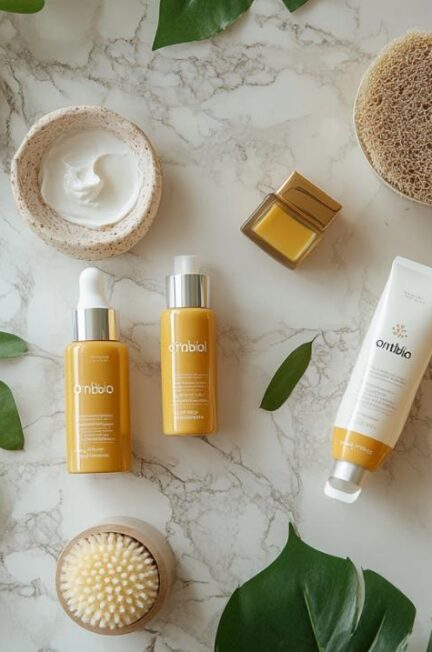
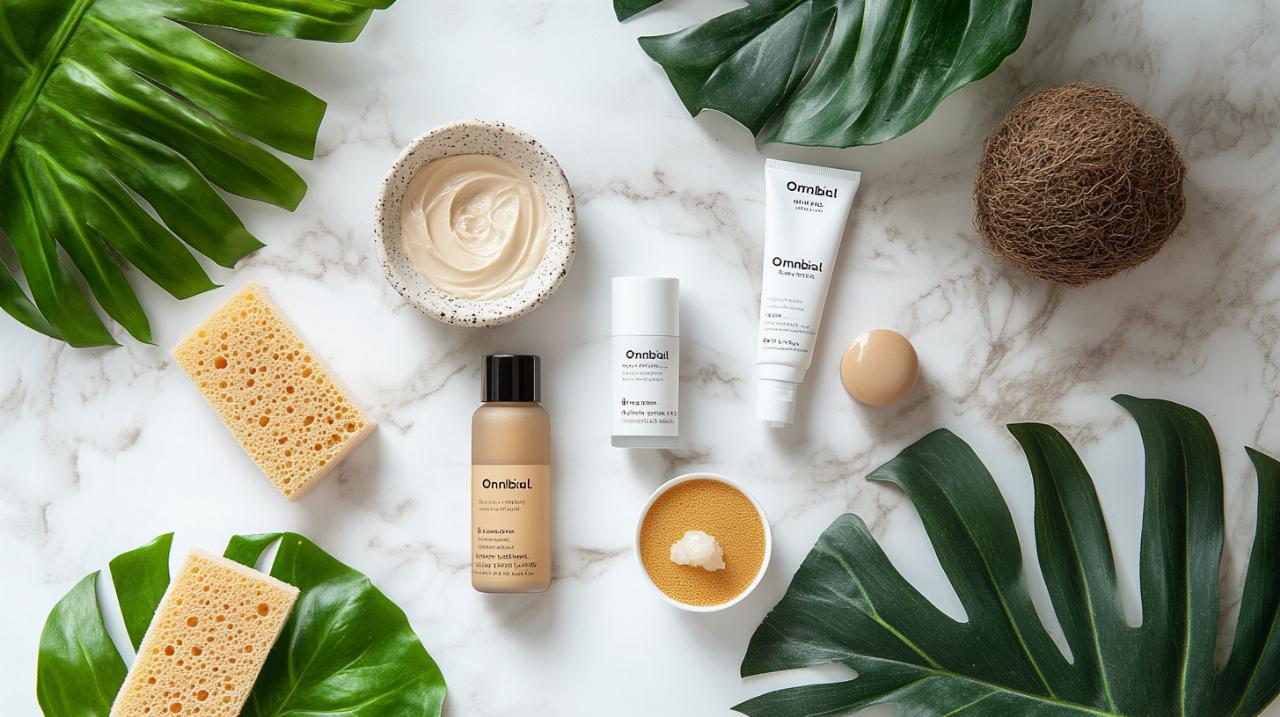
When I first decided to try Oenobiol Self-Tanner, I was intrigued by the brand's reputation for combining beauty with wellness. The product arrived in sleek packaging that promised a natural-looking tan without the telltale orange hue often associated with self-tanners. The instructions were straightforward, advising application to clean, dry skin and emphasising the importance of exfoliation beforehand to ensure an even finish. I followed these guidelines meticulously, curious to see whether Oenobiol could deliver on its claims.
First impressions and application process
The application process itself was relatively simple, though it required a degree of patience and precision. The formula had a light, non-greasy texture that spread easily across the skin. I appreciated that it did not have the overpowering chemical scent that some self-tanners emit, which can linger long after application. Instead, there was a subtle fragrance that dissipated quickly. The product dried within minutes, allowing me to dress without fear of staining my clothes. However, I did notice that achieving an even application on certain areas, such as the knees and elbows, demanded extra attention. The instructions recommended blending thoroughly in these zones to avoid darker patches, and I found this advice to be sound. Overall, the initial experience was positive, and I was eager to observe the results as the colour developed over the following hours.
Results after regular use: a candid assessment
After several applications of Oenobiol Self-Tanner, I began to notice a gradual buildup of colour that appeared relatively natural. The tan developed steadily, and with consistent use, I achieved a subtle bronze tone that enhanced my complexion without appearing artificial. However, there were a few challenges that emerged over time. Despite diligent exfoliation, I occasionally experienced slight streaking, particularly on areas where the skin was drier. Additionally, I observed that the product could contribute to clogged pores if exfoliation was not maintained rigorously. This aligns with the general understanding that self-tanners can block pores when dead skin cells accumulate, potentially leading to breakouts or a dull appearance. The dark appearance of some clogged pores may also result from free radicals associated with self-tanning, a factor that underscores the importance of incorporating antioxidants into one's skincare routine. While the overall effect was pleasing, it became clear that Oenobiol Self-Tanner, like many products of its kind, requires a disciplined approach to skincare to maintain optimal results.
How oenobiol compares to other self-tanning solutions
The self-tanning market is saturated with options, ranging from budget-friendly drugstore brands to luxury formulations endorsed by beauty influencers. Oenobiol occupies a middle ground, positioning itself as a premium yet accessible choice for consumers seeking quality without extravagance. To fully appreciate its value, it is helpful to consider how it stacks up against both traditional self-tanning methods and other contemporary products.
Price Point and Value for Money Analysis
In terms of pricing, Oenobiol Self-Tanner is moderately positioned within the market. It is not the cheapest option available, but neither does it command the high prices associated with some niche beauty brands. For the cost, users receive a product that delivers consistent results when used correctly, though it may not offer the same longevity as some higher-end alternatives. Most self-tanners contain between one and two percent DHA, although some concentrated formulas can contain as much as fifteen percent, which allows for deeper colour with fewer applications. Oenobiol falls within the standard concentration range, meaning that achieving a more intense tan requires regular use over several days. For those who prefer a gradual buildup of colour, this is ideal, but individuals seeking a rapid transformation may find it less efficient. Ultimately, the value proposition depends on personal priorities, with Oenobiol offering a reliable middle path between affordability and performance.
Effectiveness versus traditional self-tanning methods
Traditional self-tanning methods, such as spray tans and tanning beds, have long been popular alternatives to natural sun exposure. Spray tans provide immediate results and can be tailored to individual preferences, but they require professional application and can be costly over time. Tanning beds, on the other hand, carry significant health risks due to their use of ultraviolet radiation, and are increasingly discouraged by medical professionals. In comparison, at-home products like Oenobiol Self-Tanner offer a safer and more convenient option. The ability to apply the product at one's leisure and adjust the intensity through repeated applications is a significant advantage. However, the trade-off is the need for consistent effort and maintenance, including regular exfoliation and the use of antioxidants to mitigate oxidative stress. Daily use tan formulations, which allow for simultaneous exfoliation and colour development, represent an emerging trend that addresses some of these challenges by simplifying the process and promoting more even results. While Oenobiol does not fall into this category, its performance is competitive with many other at-home solutions, making it a viable choice for those committed to a self-tanning routine. Brands like Glossier, known for their rigorous product testing and customer engagement, set a high standard in the industry, and Oenobiol holds its own when evaluated against such benchmarks. The key to success with any self-tanner, including Oenobiol, lies in understanding the product's limitations and tailoring its use to one's individual skincare needs.