
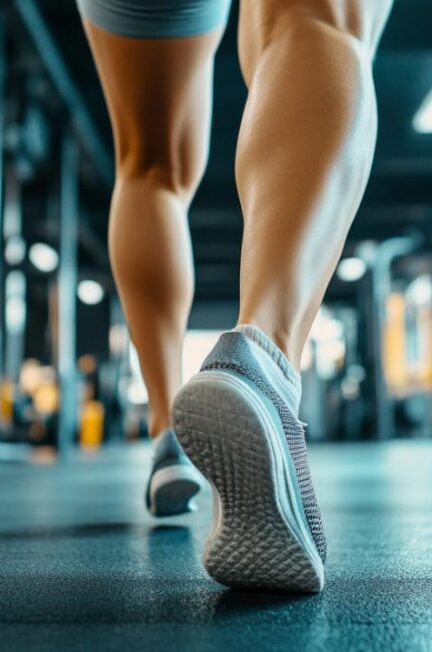
Building impressive calf muscles remains one of the most challenging yet rewarding pursuits in fitness training. Many enthusiasts struggle to achieve the lower leg definition they desire, often falling victim to widespread misconceptions that hinder their progress. Understanding the true mechanics behind calf development, combined with scientifically-backed training approaches, can transform stubborn calves into powerful, well-defined muscles that enhance both performance and appearance.
Debunking common misconceptions about calf development
The fitness community has long perpetuated several myths surrounding calf training that deserve thorough examination. These misconceptions have led countless individuals down ineffective training paths, wasting valuable time and effort whilst becoming increasingly frustrated with their lack of progress. Addressing these misunderstandings head-on provides the foundation for genuine muscular development in the lower legs.
Why high repetitions alone won't transform your calves
One of the most persistent myths suggests that performing endless repetitions will inevitably lead to calf growth. Whilst volume certainly plays a role in muscle development, relying exclusively on high repetition ranges without progressive overload creates a cardiovascular challenge rather than a hypertrophic stimulus. The calf muscles, comprising both the gastrocnemius and soleus, require varied intensity levels to respond optimally. Simply performing hundreds of bodyweight calf raises each week fails to provide the mechanical tension necessary for significant growth. The muscles adapt to repetitive stress patterns rather quickly, reaching a plateau where further repetitions yield diminishing returns. Proper resistance training incorporates weighted movements that challenge the muscle fibres throughout different portions of their range of motion, creating the microtrauma essential for strength gains and size increases.
The truth about genetics versus proper training techniques
Perhaps the most defeating myth suggests that genetics alone determine calf development, leaving those without naturally impressive lower legs with little hope for improvement. Whilst genetics certainly influence muscle belly length, insertion points, and initial size, they represent only one piece of the developmental puzzle. Proper training techniques can dramatically enhance calf appearance regardless of genetic predisposition. The distinction between the gastrocnemius and soleus muscles becomes particularly relevant here, as these structures respond differently to various training stimuli. The gastrocnemius, the larger and more visible muscle, engages primarily during straight-leg movements, whereas the soleus activates predominantly when the knee remains bent. Comprehensive calf training programmes must address both muscles through varied knee positions and exercise selection. Those who dismiss their potential for calf growth based solely on genetics often simply haven't implemented the specific training protocols necessary to stimulate these notoriously stubborn muscles. Consistent application of progressive resistance, adequate recovery periods, and proper exercise execution can override many perceived genetic limitations.
Essential exercises for building stronger, more defined calves
Transforming calf development requires implementing exercises that provide maximum muscle activation whilst allowing for progressive overload. The most effective movements combine explosive power development with controlled strength-building protocols, targeting both fast-twitch and slow-twitch muscle fibres within the lower legs.
Mastering the Squat and Pistol Squat for Complete Lower Leg Activation
Traditional squats offer more than just quadriceps and glute development, providing substantial calf engagement throughout the movement pattern. The stabilisation required during descent and the powerful push-off during ascent demand significant contribution from the gastrocnemius and soleus muscles. Proper squat execution involves maintaining weight distribution across the entire foot, which keeps the calf muscles under constant tension throughout the exercise. The pistol squat elevates this activation considerably, as the single-leg variation demands exceptional balance and ankle stability. This unilateral movement pattern forces the calf muscles to work independently, addressing any strength imbalances whilst dramatically increasing the load on the working leg. The extended range of motion required for proper pistol squat execution stretches the calf muscles at the bottom position before demanding explosive power during the ascending phase. Incorporating these compound movements into a comprehensive leg routine ensures the calves receive substantial training volume even when not directly isolated, contributing to overall lower body development and functional strength.
Integrating Resistance Bands and Weight Training for Maximum Muscle Growth
Effective calf development demands strategic implementation of various resistance modalities. Box jumps performed across five sets of ten to twelve repetitions provide explosive plyometric training that develops fast-twitch muscle fibres whilst improving overall athletic performance. This exercise requires powerful push-off from the toes, recruiting maximum muscle fibres within the gastrocnemius during the takeoff phase. Following explosive movements with controlled calf raises creates a comprehensive stimulus for growth. Executing five sets of fifteen to twenty repetitions with appropriate weight or resistance bands ensures adequate volume under tension. The resistance band offers unique advantages by maintaining constant tension throughout the entire range of motion, including the often-neglected stretched position at the bottom and the peak contraction at the top. Weight training provides progressive overload opportunities essential for continued adaptation. Adding a challenging variation involves jumping continuously on the toes whilst holding weights for five to seven minutes, combining muscular endurance with strength development. This extended duration under load depletes muscle glycogen stores and creates significant metabolic stress, both crucial factors in hypertrophic responses. The combination of explosive plyometrics, controlled resistance work, and extended time under tension addresses all mechanisms of muscle growth within a single comprehensive programme.
Structuring your weekly routine for guaranteed calf results
Achieving consistent calf development requires thoughtful programme design that balances training frequency, volume, and recovery. The structure of your weekly routine determines whether your efforts translate into visible results or merely accumulate fatigue without progress.
Optimal Movement Patterns and Body Positioning for Calf Engagement
Proper body positioning during calf exercises significantly influences muscle activation and growth potential. Maintaining an upright torso during standing calf raises ensures the gastrocnemius receives maximum tension, whilst seated variations with bent knees shift emphasis toward the deeper soleus muscle. Foot positioning also affects which portions of the calf muscles receive priority stimulation. A neutral stance targets the muscles evenly, whilst turning toes slightly inward emphasises the lateral head and outward rotation focuses on the medial head of the gastrocnemius. Movement tempo deserves equal attention, as controlling both the concentric and eccentric phases maximises time under tension. Rushing through repetitions reduces effectiveness dramatically, transforming a strength-building exercise into mere momentum-driven movement. Implementing a deliberate two-second ascent, brief pause at peak contraction, and three-second descent creates optimal conditions for muscle growth. The stretch at the bottom position proves particularly valuable, as achieving full ankle dorsiflexion places the muscle fibres under maximum lengthening tension. This eccentric emphasis has demonstrated superior results for hypertrophy compared to focusing solely on the contracted position. Weekly programming should incorporate at least two dedicated calf training sessions, allowing sufficient recovery between intense workouts whilst maintaining frequent stimulation.
Supporting muscle groups and physical benefits beyond aesthetic gains
Developing powerful calves extends far beyond aesthetic considerations, contributing substantially to overall athletic performance and functional movement capacity. Strong calf muscles enhance jumping ability, sprinting speed, and change-of-direction capabilities essential for numerous sports and physical activities. The gastrocnemius and soleus work synergistically with other lower leg structures, including the tibialis anterior and peroneals, to provide ankle stability during dynamic movements. Neglecting calf training creates muscular imbalances that potentially compromise joint health and increase injury risk during high-impact activities. The calves also play a crucial role in venous return, helping pump blood from the lower extremities back toward the heart during standing and walking activities. This circulatory function becomes increasingly important for those spending extended periods on their feet throughout the day. Furthermore, well-developed calves contribute to improved posture and gait mechanics, as weakness in these muscles often leads to compensatory movement patterns that stress other joints and tissues. A comprehensive exercise programme addresses the entire kinetic chain, recognising that isolation of any single muscle group ultimately limits overall development. Integration of calf-specific work alongside compound lower body movements creates synergistic effects that accelerate progress across all aspects of leg development. The physical benefits extend into daily life, improving balance, reducing fall risk, and enhancing overall mobility and functional independence as individuals age.