
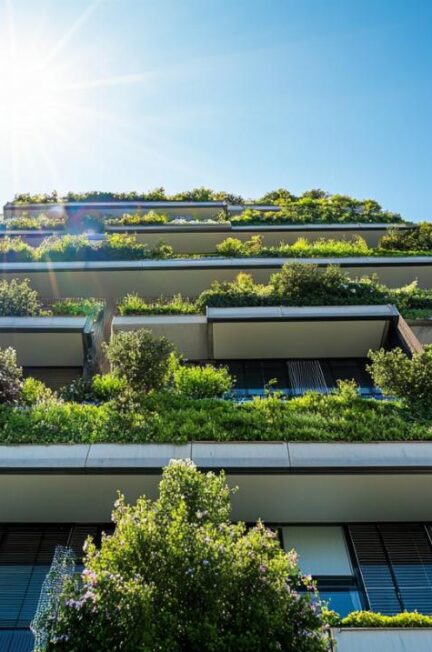
Contemporary architecture stands at a fascinating crossroads where innovation meets environmental responsibility. As global concerns about climate change intensify and resources become increasingly precious, the built environment is undergoing a profound transformation. Architects and builders worldwide are reimagining how structures can harmonise with nature whilst embracing cutting-edge technologies that promise a more sustainable future for generations to come.
Revolutionary design concepts reshaping modern architecture
The architectural landscape is witnessing an extraordinary evolution as designers challenge conventional wisdom and explore bold new approaches to creating spaces. This shift represents not merely aesthetic preferences but a fundamental rethinking of how buildings relate to their inhabitants and the surrounding ecosystem. The integration of natural elements with technological advancement has become a hallmark of contemporary sustainable architecture, offering solutions that are both visually striking and environmentally sound.
Biophilic design integration in contemporary structures
Biophilic design has emerged as a transformative approach that reconnects people with the natural world through architectural elements. This philosophy extends far beyond simply adding potted plants to interiors; it encompasses a comprehensive strategy that weaves nature into the very fabric of buildings. Green roofs have become increasingly popular features, transforming previously barren rooftop expanses into thriving ecosystems that provide insulation, manage stormwater, and create habitats for urban wildlife whilst reducing the heat island effect in densely populated areas.
The incorporation of living walls and vertical gardens brings vegetation to façades, improving air quality and offering psychological benefits to occupants who experience reduced stress and enhanced wellbeing. Natural light optimization through carefully positioned windows and skylights reduces reliance on artificial illumination whilst creating dynamic interior spaces that change with the rhythms of the day. Water features and natural materials such as timber and stone further strengthen the connection between indoor environments and the natural world, creating spaces that feel simultaneously contemporary and timeless.
For those interested in exploring how sustainable materials are revolutionising home design and construction practices, visit maguilar.es where comprehensive resources on contemporary housing concepts and eco-friendly materials provide valuable insights into the future of residential architecture. This approach to design recognises that human beings possess an innate affinity for nature, and buildings that honour this connection foster healthier, more productive environments.
Adaptive reuse and modular construction methods
Adaptive reuse represents one of the most compelling strategies for sustainable architecture, breathing new life into existing structures rather than demolishing and rebuilding. This practice preserves embodied energy, reduces waste, and maintains cultural heritage whilst meeting contemporary functional requirements. Historic warehouses become vibrant residential lofts, abandoned factories transform into creative workspaces, and disused religious buildings find purpose as community centres or galleries. These projects demonstrate remarkable creativity whilst significantly reducing the environmental impact associated with new construction.
Modular construction methods complement adaptive reuse by offering unprecedented flexibility and efficiency. Factory-fabricated components arrive at construction sites ready for assembly, dramatically reducing build times and minimising material waste. The precision of controlled manufacturing environments ensures consistent quality whilst allowing for customisation that meets specific project requirements. These prefabricated elements can be disassembled and reconfigured for different uses, embodying circular economy principles that view buildings not as permanent fixtures but as adaptable resources. The technology enables rapid deployment of housing in response to urgent needs whilst maintaining high standards of sustainability and design excellence.
Environmentally Conscious Building Techniques for the Future
The construction industry faces mounting pressure to reduce its substantial carbon footprint and embrace practices that respect planetary boundaries. Traditional building methods have contributed significantly to environmental degradation through resource extraction, energy consumption, and waste generation. However, emerging techniques and materials offer genuine hope for transforming how we construct our built environment, creating structures that actively contribute to ecological restoration rather than merely minimising harm.
Low-carbon materials and energy-efficient systems
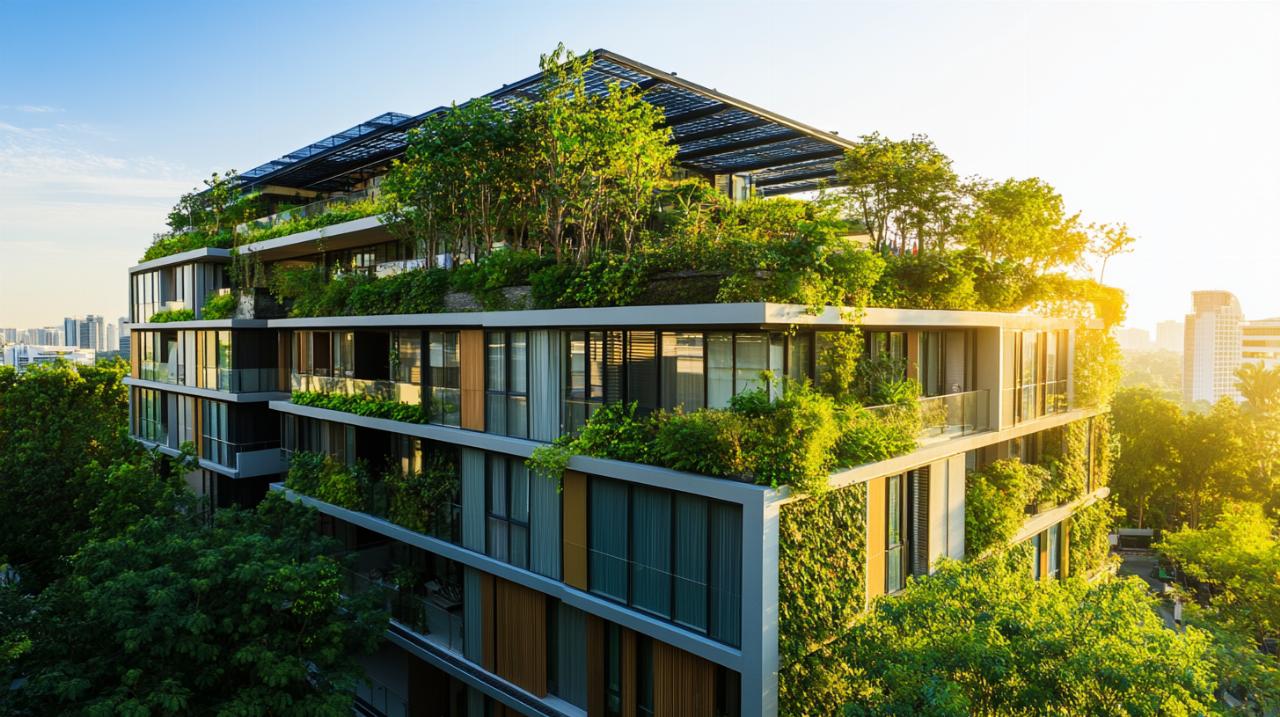
Cross-laminated timber has revolutionised sustainable architecture by providing a renewable alternative to concrete and steel that actually sequesters carbon throughout the building’s lifespan. This engineered wood product offers remarkable structural strength whilst remaining significantly lighter than conventional materials, reducing foundation requirements and transportation emissions. Forests managed sustainably provide a continuous supply of timber, creating a virtuous cycle that supports both construction needs and environmental stewardship.
Mycelium composites represent another groundbreaking development, utilising the root structure of fungi to create biodegradable materials with excellent insulation properties. These organic alternatives grow rapidly using agricultural waste as substrate, transforming refuse into valuable building components that return harmlessly to the earth at the end of their useful life. Self-healing concrete incorporates bacteria that produce limestone when cracks appear, extending structural lifespan and reducing maintenance requirements whilst conserving resources.
Recycled materials have moved from niche applications to mainstream acceptance as processing technologies improve and designers recognise their aesthetic potential. Reclaimed steel, crushed glass aggregate, and plastic composites divert waste from landfills whilst creating distinctive architectural features. Bio-based insulation derived from hemp, cork, and sheep’s wool provides superior thermal performance without the toxic chemicals found in conventional alternatives, improving indoor air quality and reducing energy consumption.
Energy-efficient glass with advanced coatings and multiple panes dramatically reduces heat transfer whilst maximising natural light, cutting heating and cooling demands substantially. Solar-integrated materials that generate electricity whilst serving structural or aesthetic functions represent the convergence of building envelope and energy production. IoT systems monitor and optimise building performance in real-time, adjusting lighting, temperature, and ventilation based on occupancy patterns and environmental conditions to eliminate waste and enhance comfort.
Circular economy principles in construction projects
The construction sector is embracing circular economy principles that fundamentally challenge the traditional linear model of resource extraction, use, and disposal. This paradigm shift views materials as nutrients within continuous cycles rather than commodities destined for landfills. Design for disassembly ensures that building components can be easily separated and reused at the end of a structure’s life, maintaining material value and reducing demand for virgin resources. Material passports document the composition and origin of building elements, facilitating future recovery and recycling.
Carbon-neutral construction represents an ambitious goal that numerous projects are now achieving through careful material selection, renewable energy use, and offset programmes. Some pioneering developments have progressed beyond carbon neutrality to embrace regenerative architecture that actively improves environmental conditions. These buildings produce more energy than they consume, manage stormwater to replenish aquifers, and create habitats that enhance biodiversity. Climate resilience has become a critical design consideration as structures must withstand increasingly severe weather events whilst maintaining functionality and safety.
Despite remarkable progress, challenges remain in widespread adoption of sustainable building practices. High initial costs for some eco-friendly materials and renewable materials can deter developers focused on short-term financial returns, though lifecycle analysis increasingly demonstrates long-term economic advantages. Limited availability of certain biodegradable materials in some regions creates supply chain complications that require strategic planning and patience. Education and training programmes must expand to ensure that construction professionals possess the knowledge and skills necessary to implement these innovative techniques effectively.
Nevertheless, opportunities abound for those willing to embrace this transformation. The Sustainable Architecture and Innovative Design Conference brings together leading practitioners to share advancements in sustainable materials and technologies, fostering collaboration and accelerating innovation. Building sustainability has evolved from a specialised concern to a central requirement of responsible development, with regulatory frameworks increasingly mandating environmental performance standards. As awareness grows and technologies mature, the vision of a built environment that exists in harmony with natural systems moves steadily from aspiration to reality, promising a future where architecture heals rather than harms our precious planet.