
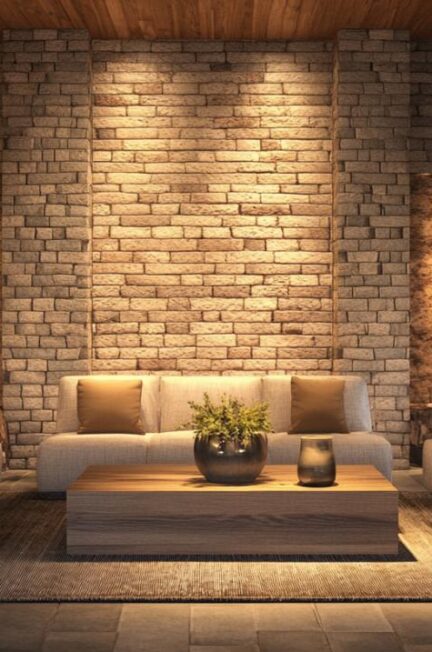
Transforming your living space into something truly remarkable doesn't always require a complete renovation. Sometimes, all it takes is a fresh approach to your walls. Stone, brick, and wood wall coverings offer an opportunity to inject personality, warmth, and visual intrigue into any room. Whether you're drawn to the rugged authenticity of exposed brick, the timeless elegance of natural stone, or the cosy appeal of wooden finishes, these materials can redefine the atmosphere of your home. They're not just about aesthetics either; they bring texture, depth, and a sense of craftsmanship that modern flat surfaces often lack. With countless styles and finishes available, from contemporary marble effects to rustic stacked stone, there's a solution to suit every taste and interior design vision.
Transform your walls with natural stone cladding
Natural stone cladding has become a favourite among homeowners and interior designers alike for its ability to evoke a sense of permanence and sophistication. The beauty of stone lies in its unique characteristics; no two pieces are ever identical, which means your feature wall will be one of a kind. Many stone cladding products available today are handmade in the UK, crafted from raw materials such as pumice, cement, and titanium dyes. This meticulous process ensures that each stone replicates the look and feel of genuine Cotswold stone, yet remains lighter and more cost-effective than the real thing. The result is a non-porous, durable material that works beautifully in both internal and external settings. Whether you're looking to create a striking focal point in your living room or add character to an outdoor facade, stone cladding delivers on both form and function.
For those seeking natural beauty tips for their interiors, stone wall panels are an excellent choice. They introduce an organic element that softens the hard lines of modern architecture while maintaining a refined elegance. The versatility of stone cladding means it can be adapted to various design schemes, from minimalist contemporary spaces to more traditional settings. The texture and colour variations inherent in stone create a dynamic visual experience, catching light in different ways throughout the day. This quality makes stone cladding particularly effective in rooms that benefit from added warmth and depth, such as hallways, dining areas, or even bathrooms. The key is to balance the natural ruggedness of stone with softer furnishings and lighting to create a harmonious environment that feels both grounded and inviting.
Selecting the Right Stone Type for Your Interior
Choosing the right stone for your project is essential to achieving the desired look and ensuring longevity. The market offers a wide array of stone cladding options, each with distinct characteristics. Some collections, such as the Cotswold blend, capture the quintessentially British aesthetic with their soft, earthy tones and weathered textures. These are ideal for those who want to evoke a countryside charm within an urban setting. On the other hand, more contemporary stone finishes, including those with mineral or tile effects, lend themselves to sleek, modern interiors. When selecting stone cladding, consider the room's existing colour palette and lighting conditions. Lighter stones can brighten up smaller or darker spaces, while darker, more dramatic stones work well in larger rooms where they can become a true statement piece.
It's also worth considering the practical aspects of stone cladding. Products designed to be weather resistant are suitable for exterior cladding, making them a smart investment for those looking to enhance their home's curb appeal. The thickness of stone cladding typically varies between twenty and forty millimetres, which is substantial enough to create a realistic appearance without overwhelming the structure. Many suppliers offer corner pieces that allow for seamless transitions around architectural features, ensuring a polished finish. Additionally, samples are often available, allowing you to see and feel the material in your own space before committing to a full order. This step is invaluable in ensuring that the stone you choose truly complements your vision and the existing elements of your home.
Installation techniques for long-lasting results
Installing stone cladding is far more straightforward than many people assume, and it doesn't require specialist skills. The process begins with preparing the wall surface, ensuring it's clean, dry, and free from any loose material. Most stone cladding products are designed for easy installation, often using adhesives specifically formulated for bonding stone to various substrates. A mastic grout filler is typically used to fill the joints between stones, creating a cohesive and finished look. Some installers also opt for grout paint to enhance the visual consistency of the joints, particularly when working with stacked stone designs.
For those tackling a DIY project, it's important to plan the layout before applying any adhesive. Starting from a corner or focal point and working outward ensures a balanced appearance. Corner pieces are particularly useful in maintaining a natural flow around edges and architectural details. Once the stones are in place, applying a sealer can help protect the surface from moisture and staining, especially in high-traffic areas or rooms prone to humidity, such as kitchens and bathrooms. Stone cladding is also an excellent choice for fireplace cladding, where its heat-resistant properties add both safety and style. With proper installation and care, stone cladding can last for decades, maintaining its beauty and structural integrity throughout.
Create character with exposed brick features
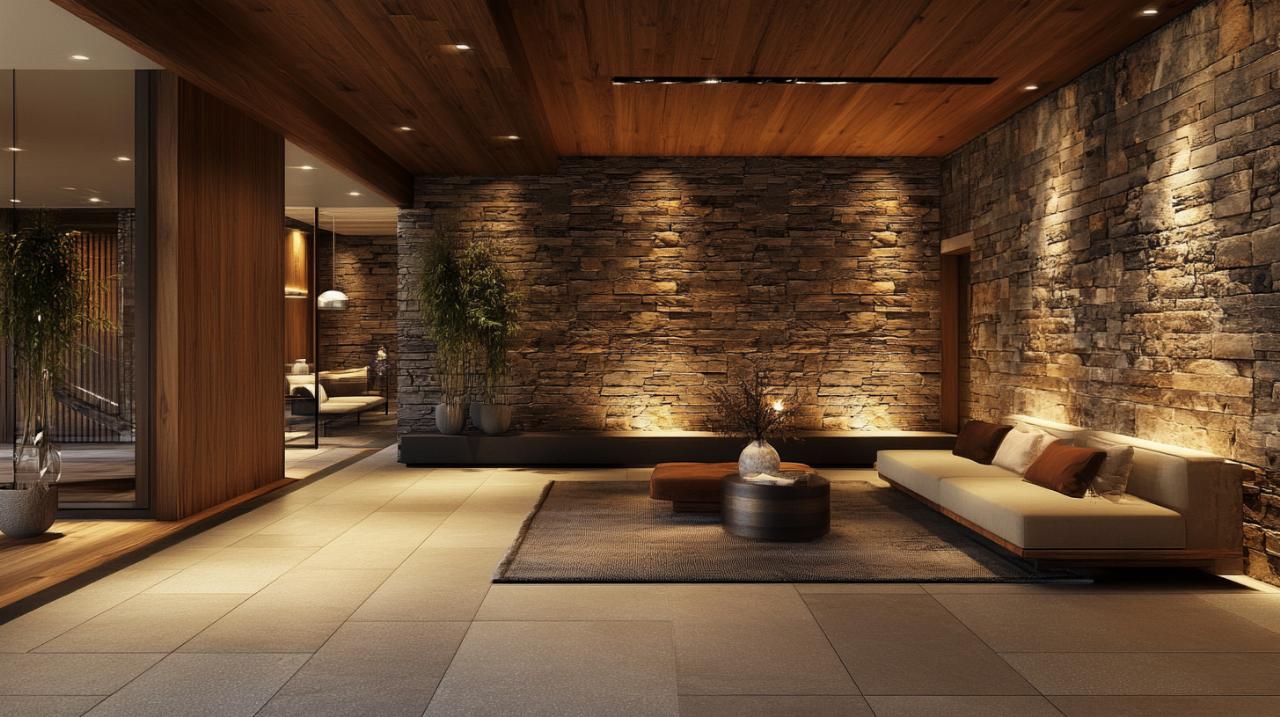
Exposed brick has long been associated with industrial chic and urban loft living, but its appeal extends far beyond these styles. The raw, unfinished look of brick adds a layer of authenticity and history to a space, making it feel lived-in and full of character. Whether you're working with genuine reclaimed bricks or opting for modern brick veneers and brick slips, the effect is undeniably striking. Brick walls work particularly well in open-plan spaces, where they can serve as a visual anchor, delineating different zones without the need for physical barriers. The warm, earthy tones of brick also provide a pleasing contrast to cooler materials like steel, glass, and concrete, softening the overall aesthetic and creating a more inviting atmosphere.
One of the great advantages of brick effect wall panels is their ability to deliver the look of traditional brickwork without the weight, cost, or structural challenges. These panels are available in a variety of finishes, from classic red brick to whitewashed and painted options, allowing for a high degree of customisation. They're ideal for renters or those looking for a less permanent solution, as they can be installed without extensive building work. For homeowners committed to authenticity, brick slips offer a middle ground. These are thin slices of real brick that can be adhered directly to existing walls, providing the genuine texture and colour variation of traditional brickwork in a more manageable format.
Authentic brick versus modern brick veneers
Deciding between authentic brick and modern brick veneers depends largely on your project's scope, budget, and aesthetic goals. Authentic reclaimed brick brings with it a sense of history and craftsmanship that's difficult to replicate. Each brick tells a story, with unique markings, colour variations, and wear patterns that add depth and interest. However, sourcing, transporting, and installing real brick can be labour-intensive and costly. It also requires a solid structural foundation to support the weight, which may not be feasible in all properties, particularly in flats or buildings with weight restrictions.
Modern brick veneers and brick effect panels offer a practical alternative that doesn't compromise on style. These products are designed to mimic the look of real brick with impressive accuracy, and they're significantly lighter and easier to install. Many brick veneers are crafted from high-quality materials that replicate the texture and colour depth of traditional brickwork, making them virtually indistinguishable from the real thing to the untrained eye. They're also available in a wider range of finishes, including contemporary painted and distressed options, which can be difficult to achieve with reclaimed brick. For those working on a tight timeline or budget, brick veneers provide an efficient and cost-effective way to achieve the desired aesthetic without the logistical headaches.
Styling Tips for Industrial and Contemporary Spaces
Styling a space with exposed brick requires a thoughtful approach to balance its inherent boldness. In industrial-style interiors, brick pairs beautifully with metal fixtures, exposed ductwork, and vintage furniture. The key is to let the brick take centre stage, using it as a textural backdrop that complements rather than competes with other elements. Keep colour palettes simple, focusing on neutrals, blacks, and greys, with occasional pops of colour through accessories or artwork. Lighting plays a crucial role in highlighting the texture of brick; wall-mounted sconces or pendant lights can cast dramatic shadows that accentuate the surface's depth and character.
For contemporary spaces, the approach shifts slightly. Here, brick can be used to introduce warmth and contrast against sleek, minimalist furnishings and clean lines. Consider whitewashing or painting the brick in a soft neutral tone to soften its impact while retaining its texture. This technique works particularly well in Scandinavian-inspired interiors, where the focus is on light, airy spaces with natural materials. Alternatively, a single brick feature wall in a bold colour, such as charcoal or deep navy, can serve as a striking focal point in an otherwise understated room. The versatility of brick, whether authentic or veneer, ensures it can adapt to a wide range of design styles, making it a timeless choice for those looking to add character and depth to their interiors.