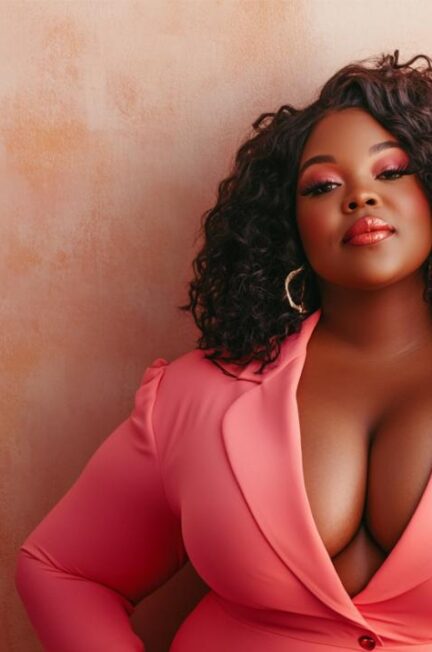
The conversation surrounding body image has undergone a remarkable transformation in recent years, with curvy women emerging as powerful advocates for authenticity and self-acceptance. Their influence extends far beyond personal confidence, touching every aspect of contemporary culture from fashion to relationships. This shift represents not merely a trend but a fundamental rethinking of what beauty means in our diverse society. By challenging long-held assumptions and celebrating natural forms, curvy women are creating space for everyone to feel valued and seen, regardless of their shape or size.
Breaking beauty standards: the revolutionary impact of body diversity
Challenging conventional ideals in modern society
For decades, mainstream media perpetuated a narrow definition of beauty that left countless women feeling inadequate and invisible. The rise of body diversity advocates has fundamentally disrupted this homogeneous narrative, insisting that beauty exists across the entire spectrum of human bodies. Curvy women have been at the forefront of this movement, using their voices and platforms to dismantle harmful stereotypes that equated thinness with worth. Their courage in occupying spaces traditionally reserved for one body type has created ripples throughout society, encouraging brands, advertisers, and content creators to broaden their representation. This shift has profound psychological implications, as young people now grow up seeing a wider range of bodies portrayed positively in the media they consume. The rejection of restrictive beauty standards does not mean abandoning health or wellness but rather recognising that vitality and attractiveness manifest in countless forms. When women of all sizes feel empowered to present themselves confidently, the entire culture benefits from increased authenticity and reduced shame. The impact extends to mental health outcomes, with research suggesting that exposure to diverse body representations correlates with improved self-esteem and reduced anxiety about appearance. By refusing to conform to outdated ideals, curvy women have opened doors for future generations to define beauty on their own terms rather than according to arbitrary cultural prescriptions.
The evolution of beauty perception across generations
Historical perspective reveals that beauty standards have always been in flux, shaped by cultural, economic, and social forces of their time. What previous generations considered ideal often bears little resemblance to contemporary preferences, demonstrating the constructed nature of these norms. The fuller figures celebrated in earlier eras were later supplanted by increasingly narrow definitions that dominated much of the late twentieth century. The current movement toward embracing curvy bodies represents a return to appreciating natural variation and a rejection of artificial homogeneity. Older generations who lived through periods of rigid beauty expectations often express relief and admiration for the more inclusive attitudes emerging today. This intergenerational shift reflects broader social progress toward recognising diversity as a strength rather than something to be hidden or corrected. Young people today benefit from seeing that beauty ideals are neither fixed nor universal, which empowers them to question other arbitrary social constructs. The willingness of curvy women to share their experiences and challenge prevailing norms has accelerated this evolution, creating momentum that would have been unimaginable just a generation ago. As these conversations continue, the definition of beauty becomes increasingly personalised rather than dictated from above, allowing individuals to develop their own sense of what makes them feel attractive and confident. This democratisation of beauty standards represents one of the most significant cultural shifts of our time, with curvy women playing an essential role in driving this transformation forward.
Cultural Renaissance: Curvy Women in Art, Media and Fashion
From renaissance masterpieces to contemporary runways
The celebration of fuller figures has deep roots in artistic tradition, with Renaissance painters depicting women of substantial build as paragons of beauty and prosperity. These masterpieces, which hang in galleries worldwide, remind us that appreciation for curvy bodies is hardly a modern invention but rather a rediscovery of timeless aesthetics. Contemporary fashion has begun to reconnect with this heritage, featuring models of diverse sizes on runways that once showcased only the most slender figures. Designers increasingly recognise that their creations look stunning on bodies of all shapes, and that limiting their vision to one body type diminishes both their artistry and their market reach. The fashion industry's gradual embrace of size diversity represents a significant commercial and cultural milestone, signalling that beauty and style are no longer the exclusive domain of a particular physique. High-profile fashion weeks now regularly feature curvy models, and specialty brands catering to fuller figures have gained mainstream recognition and respect. This visibility matters profoundly, as it sends a clear message that all bodies deserve beautiful clothing and the confidence that comes with wearing it. The artistic representation of curvy women in contemporary photography, sculpture, and digital media continues this tradition, challenging viewers to expand their aesthetic appreciation. Museums and galleries now host exhibitions explicitly celebrating body diversity, recognising that art both reflects and shapes cultural values. By reclaiming their place in visual culture, curvy women are writing themselves back into the narrative of beauty that had temporarily excluded them, creating a richer and more honest portrayal of human diversity.
Authentic Representation in Film and Popular Culture
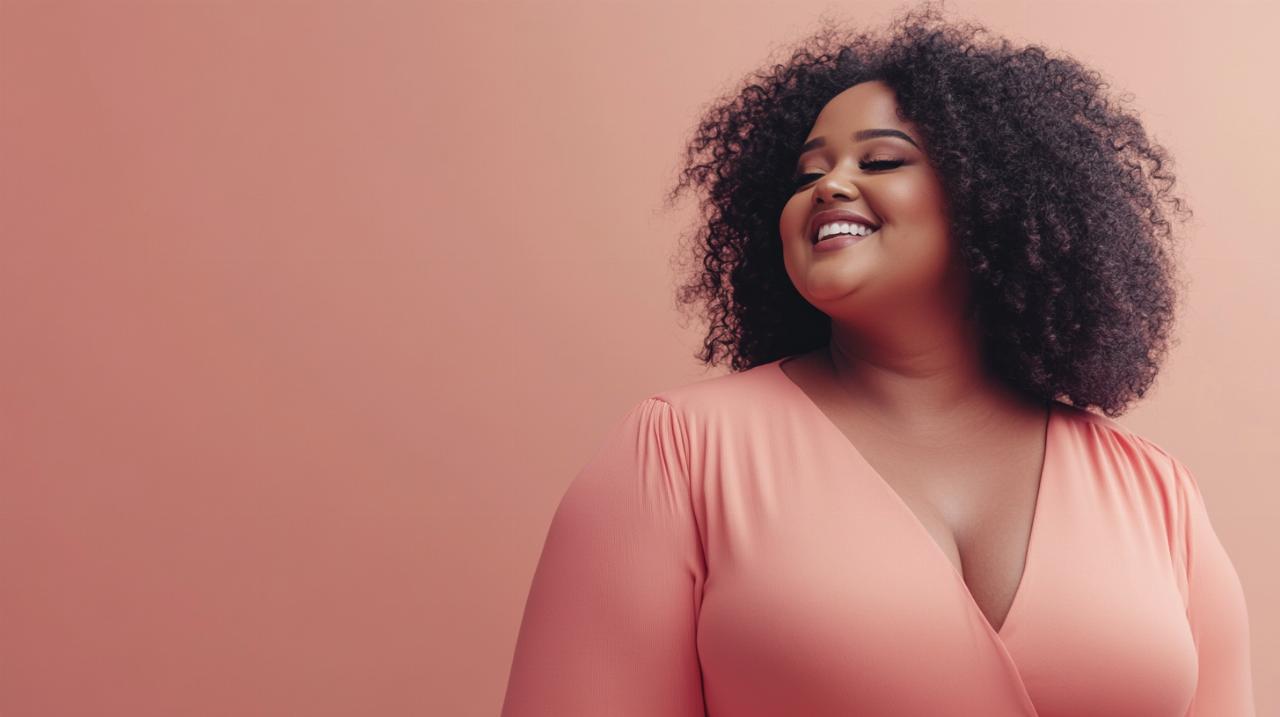
The entertainment industry has historically perpetuated narrow beauty standards through its casting choices and storytelling conventions, often relegating curvy women to supporting roles defined by their size rather than their complexity. Recent years have witnessed a welcome shift toward more authentic representation, with actresses of diverse body types taking on leading roles that showcase their talent rather than reducing them to stereotypes. Television series and films increasingly feature curvy women as romantic leads, successful professionals, and multifaceted characters whose stories resonate with audiences tired of one-dimensional portrayals. This evolution reflects both changing audience expectations and the commercial realisation that viewers crave characters who reflect the actual diversity of the population. Social media has amplified the voices of curvy women, allowing them to bypass traditional gatekeepers and connect directly with audiences who appreciate their authenticity. Influencers and content creators of all sizes have built substantial followings by sharing their lives, style tips, and perspectives, proving that relatability often matters more than conformity to conventional standards. Music videos, advertising campaigns, and magazine covers now regularly feature curvy women, normalising their presence in spaces that once felt exclusionary. This representation matters not only for those who see themselves reflected but for everyone, as it broadens our collective understanding of beauty and worth. When popular culture embraces body diversity, it sends a powerful message that all people deserve to see themselves represented positively in the stories and images that shape our shared imagination. The ongoing work of ensuring authentic and varied representation remains crucial, as true equality requires not just occasional inclusion but consistent and meaningful presence across all forms of media.
The self-love movement: embracing confidence and genuine relationships
Building healthier romantic partnerships through body acceptance
The relationship between self-acceptance and romantic fulfilment represents one of the most compelling reasons to admire curvy women who embrace their bodies confidently. When individuals feel comfortable in their own skin, they approach relationships from a position of strength rather than seeking external validation to compensate for internal insecurity. Curvy women who have cultivated genuine self-love often report more satisfying romantic partnerships, as their confidence allows them to establish boundaries and communicate needs effectively. This self-assurance proves attractive not because of any particular body type but because authenticity and confidence naturally draw people toward one another. Partners who appreciate curvy women for their complete selves rather than despite their bodies create relationships built on genuine connection rather than superficial criteria. The emphasis on mutual respect and appreciation in these relationships sets a healthy example for how all romantic partnerships should function, regardless of the bodies involved. When society moves away from narrow beauty standards, it creates space for people to form connections based on compatibility, shared values, and emotional resonance rather than adherence to arbitrary physical ideals. The confidence that curvy women display in their relationships often inspires others to reassess their own attitudes toward body image and self-worth. By refusing to internalise shame or accept treatment that diminishes their value, these women model the kind of self-respect that strengthens all relationships. The ripple effect of this confidence extends beyond romantic partnerships to friendships, family dynamics, and professional interactions, as people who feel good about themselves tend to engage more positively with the world around them.
Fostering authentic self-worth beyond physical appearance
The movement toward body acceptance championed by curvy women ultimately transcends physical appearance, addressing the deeper question of where we locate our sense of worth and identity. When individuals define themselves primarily through external validation or conformity to beauty standards, they remain vulnerable to the shifting winds of fashion and opinion. Curvy women who cultivate self-love based on their talents, relationships, values, and contributions create a more stable foundation for lifelong well-being and satisfaction. This approach recognises that bodies change throughout life due to age, health, pregnancy, and countless other factors, making appearance an unreliable basis for self-esteem. The emphasis on holistic self-worth encourages everyone to develop multiple sources of confidence, from intellectual pursuits to creative expression to meaningful relationships. By modelling this balanced approach, curvy women who embrace their bodies while also celebrating their non-physical qualities offer a blueprint for sustainable happiness. The cultural conversation around body positivity has evolved to encompass not just acceptance of diverse sizes but appreciation for the complete humanity of every individual. This broader perspective acknowledges that bodies are vehicles for living full lives rather than ornaments to be judged according to narrow aesthetic criteria. When self-love becomes truly unconditional, it liberates energy previously spent on self-criticism and channels it toward pursuits that bring genuine fulfilment and joy. The admiration that curvy women inspire stems not just from their physical presence but from their courage in rejecting shame and choosing self-acceptance in a culture that has often sent contradictory messages. Their example encourages everyone to question the sources of their own self-worth and to build identities rooted in authenticity rather than conformity to external expectations.