
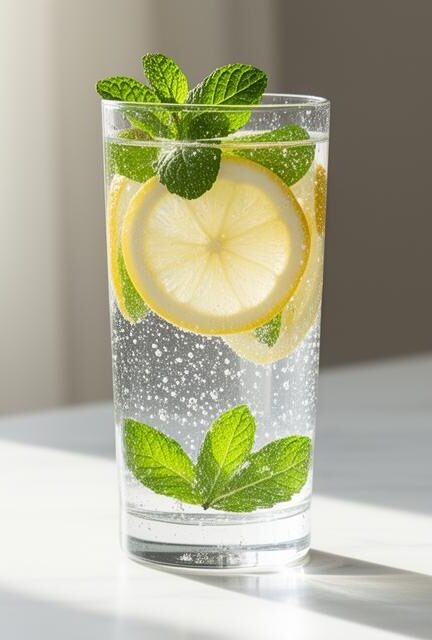
The debate between purchasing a Sodastream and relying on industrial sparkling water from the supermarket has become a common consideration for households across the United Kingdom. With concerns about cost, environmental impact, and overall quality, many consumers are seeking clarity on which option truly offers the best value. Understanding the financial implications, ecological footprint, and health aspects of each choice can help you make an informed decision that aligns with your lifestyle and budget.
Financial breakdown: what you actually spend on fizzy water
When evaluating the cost of fizzy water, it is essential to consider both the upfront investment and the ongoing expenses associated with each option. A Sodastream machine typically requires an initial purchase that can range from fifty to over one hundred and fifty pounds, depending on the model and features. This investment includes the carbonator unit itself, a reusable bottle, and a gas cylinder that provides the carbonation. The gas cylinders, which are the primary recurring cost, generally need replacing after carbonating approximately sixty litres of water. Replacement cylinders cost around twenty to thirty pounds, though exchange programmes can reduce this expense slightly.
Initial Investment in Sodastream Machines and Running Costs
The starting price for a basic Sodastream model sits at around fifty pounds, while premium versions with additional features such as automatic carbonation or sleek designs can exceed one hundred and fifty pounds. Beyond the machine itself, users must factor in the cost of gas cylinder exchanges and the occasional replacement of reusable bottles, which can wear out over time. When calculated per litre, the cost of making sparkling water at home with a Sodastream can be as low as ten to fifteen pence per litre, assuming regular use and efficient management of gas cylinders. This is a significant reduction compared to the price of bottled sparkling water, especially for households that consume fizzy drinks frequently.
Price comparison with shop-bought sparkling water brands
Industrial sparkling water purchased from supermarkets varies widely in price, with budget brands costing as little as seventeen pence per litre, while premium options can reach eighty pence or more per litre. For a family that consumes several litres of sparkling water each week, the cumulative cost of buying bottled water quickly adds up. A household drinking ten litres per week would spend between eighty-eight pounds and over four hundred pounds annually on bottled sparkling water, depending on brand preference. In contrast, the same volume produced with a Sodastream would cost approximately fifty to seventy pounds per year after the initial machine purchase, representing a substantial saving over time. However, these savings are most pronounced for high-volume users, as those who only occasionally enjoy fizzy water may not recoup the upfront investment as quickly.
Environmental considerations: plastic bottles and sustainability
The environmental impact of single-use plastic bottles has become a pressing concern for consumers and policymakers alike. The production, transportation, and disposal of plastic bottles contribute significantly to carbon emissions and plastic pollution, with millions of bottles ending up in landfills and oceans each year. Switching to a home carbonation system like Sodastream can substantially reduce household plastic waste, offering a more sustainable alternative for those committed to lowering their environmental footprint.
The ecological impact of single-use plastic bottles
Industrial sparkling water is typically sold in plastic bottles, which are convenient but environmentally costly. Each bottle requires petroleum-based materials for production and consumes energy during manufacturing and transportation. Even with recycling efforts, only a fraction of plastic bottles are properly recycled, with many ending up in waste streams that harm ecosystems. The carbon footprint associated with transporting bottled water from production facilities to retail outlets further exacerbates the environmental burden. For a household that purchases ten bottles of sparkling water weekly, this translates to over five hundred bottles per year, contributing to a significant amount of avoidable plastic waste.
How home carbonators reduce your carbon footprint
Home carbonation systems like Sodastream offer a compelling alternative by eliminating the need for single-use plastic bottles. Users can carbonate tap water in reusable bottles, which are designed to last for several years with proper care. The gas cylinders used in these machines are also returned and refilled, creating a closed-loop system that minimises waste. While the production and transportation of gas cylinders do have an environmental cost, this is considerably lower than the cumulative impact of producing and disposing of hundreds of plastic bottles annually. By choosing a home carbonator, households can reduce their plastic waste by up to ninety percent, making a tangible contribution to environmental sustainability while enjoying the convenience of fizzy water on demand.
Quality and health: evaluating your fizzy water options
Beyond cost and environmental factors, the quality and health implications of your fizzy water choice are important considerations. The source of the water, the carbonation process, and any added flavours or minerals can all influence the taste and nutritional profile of the final product. Understanding these elements can help you determine which option best suits your preferences and health goals.
Tap Water Quality and Carbonation Results in Home Machines
The quality of sparkling water produced by a Sodastream depends largely on the quality of the tap water used. In most parts of the United Kingdom, tap water is safe, clean, and well-regulated, making it suitable for carbonation. However, variations in local water quality can affect the taste of the final product, with some users noting differences in flavour depending on their region. For those concerned about chlorine or other trace elements in tap water, a simple filtration system can improve the taste before carbonation. The carbonation level achieved with a Sodastream is adjustable, allowing users to customise the fizziness to their liking, though some reviews suggest that achieving the same intensity as commercially carbonated water can require practice and experimentation.
Health Implications and User Reviews of Carbonated Drinks
From a health perspective, both home-carbonated and shop-bought sparkling water are generally safe and hydrating options, provided they are free from added sugars or artificial sweeteners. Plain carbonated water contains no calories, sugars, or harmful additives, making it a healthier alternative to sugary soft drinks. However, some users of home carbonation systems choose to add flavourings, which can introduce sugars or artificial ingredients depending on the product used. It is important to read labels carefully and opt for natural flavourings when possible to maintain the health benefits of plain sparkling water. User reviews of Sodastream machines are generally positive, with many praising the convenience, cost savings, and environmental benefits. Some users report issues with the consistency of carbonation or the durability of bottles, but these concerns are often outweighed by the overall satisfaction with the product. Industrial sparkling water, meanwhile, offers consistency and convenience but at a higher ongoing cost and environmental expense.