
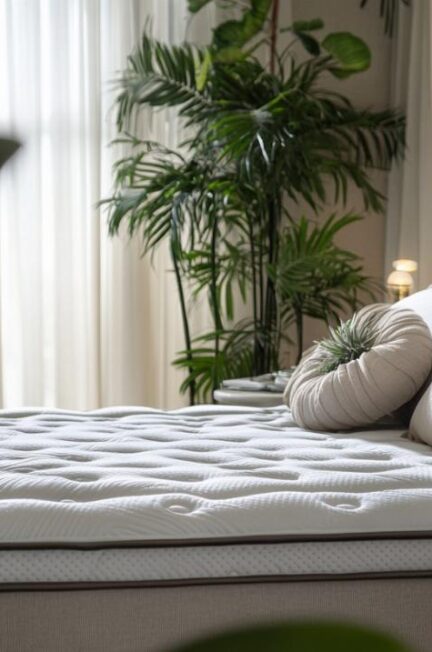
Ensuring your child enjoys restful, restorative sleep begins with the foundation they lie upon each night. The mattress and bedding you select play a pivotal role in supporting growing bodies, maintaining comfort, and fostering a healthier sleep environment. As parents increasingly seek out sustainable and health-conscious options, turning towards organic latex and cotton bedding has become a natural choice for families prioritising quality rest and wellbeing.
Why natural materials matter for your child's sleep environment
When it comes to creating a nurturing sleep space, the materials that surround your child during their slumber can have a profound impact on both their immediate comfort and long-term health. Synthetic materials and chemically treated fabrics may seem convenient, but they often introduce unwanted substances into the bedroom. Natural materials such as organic latex, cotton, wool, and lambswool offer a cleaner, more breathable alternative that works harmoniously with the body's need for temperature regulation and moisture control.
The Benefits of Organic Latex in Children's Mattresses
Organic latex stands out as an exceptional choice for children's mattresses due to its remarkable longevity and health benefits. Unlike memory foam, which typically lasts between five and seven years and may release harmful chemicals during its lifespan, natural latex can endure for fifteen to twenty years or more without off-gassing. This resilience makes it not only a sustainable investment but also a safer one for young sleepers whose developing bodies are more vulnerable to environmental toxins.
The hypoallergenic properties of latex make it particularly suitable for children who suffer from allergies or sensitivities. It naturally resists dust mites, mould, and other common allergens that can disrupt sleep and exacerbate respiratory issues. Furthermore, latex contours gently to the body's shape, providing tailored support that adapts as your child grows. This adaptability ensures that pressure points are cushioned effectively, reducing the likelihood of discomfort during the night and promoting uninterrupted rest.
Beyond its health credentials, latex also excels in breathability. The open-cell structure of natural latex allows air to circulate freely, preventing the build-up of heat and moisture that can disturb sleep. This quality is especially beneficial for children, who often move frequently during the night and may be more prone to overheating. By maintaining a comfortable sleeping temperature, latex mattresses help to create an environment conducive to deeper, more restorative sleep cycles.
Understanding cotton bedding quality and certifications
Selecting organic cotton bedding is another crucial step in cultivating a healthier bedroom. Organic cotton is grown without the use of synthetic pesticides or fertilisers, making it a cleaner option that minimises exposure to potentially harmful chemicals. For families concerned about skin sensitivities, organic cotton offers a soft, breathable fabric that reduces the risk of irritation and allergic reactions.
When evaluating cotton bedding, it is important to look beyond marketing claims and seek out recognised certifications that verify the authenticity of organic standards. Certifications ensure that the cotton has been produced in accordance with rigorous environmental and ethical guidelines, offering peace of mind that the bedding you choose is genuinely organic. Additionally, the quality of cotton bedding can vary significantly depending on the weave and thread count. Sateen and percale are two popular weaves, each offering distinct tactile experiences. Sateen provides a silky, smooth finish, while percale delivers a crisp, cool feel that many find refreshing during warmer months.
Investing in high-quality organic cotton sheets, duvet covers, and pillowcases not only enhances comfort but also contributes to the overall durability of your bedding. Natural fibres tend to wear more gracefully than synthetic alternatives, maintaining their softness and integrity through repeated washing. This longevity translates into better long-term value, reducing the need for frequent replacements and supporting a more sustainable approach to home furnishings.
Selecting the Right Mattress for Growing Bodies
Choosing a mattress that will support your child through various stages of growth requires careful consideration of firmness, materials, and construction. A mattress that is too soft may fail to provide adequate spinal support, while one that is excessively firm can create uncomfortable pressure points. Striking the right balance is essential for ensuring that your child wakes feeling refreshed and free from aches or stiffness.
Age-appropriate support and firmness levels
The ideal firmness level for a child's mattress evolves as they grow. Infants and toddlers generally benefit from a firmer surface that supports their developing bones and reduces the risk of suffocation hazards. As children enter school age and beyond, a medium-firm mattress often provides the best combination of support and comfort, accommodating the natural curves of the spine while cushioning pressure points.
Natural latex mattresses are particularly well-suited to addressing back pain and providing orthopaedic support. Many such mattresses are approved by chiropractors, reflecting their ability to maintain proper spinal alignment and alleviate discomfort. This quality makes them an excellent choice not only for children but also for adults seeking relief from chronic back issues. When selecting a mattress, it is advisable to consider how the materials will respond to your child's weight and sleeping position, ensuring that the support remains consistent across different areas of the body.
Horsehair is another natural material worth considering, particularly for families seeking a luxury option with exceptional durability. Horsehair mattresses are renowned for their breathability and can last between twenty and thirty years, making them a long-term investment in quality sleep. The material's natural resilience allows it to maintain its shape and support over time, even with daily use. Such mattresses have a storied heritage, having been favoured by discerning sleepers for generations, including the British Royal Family.
French manufacturing standards and local artisan producers
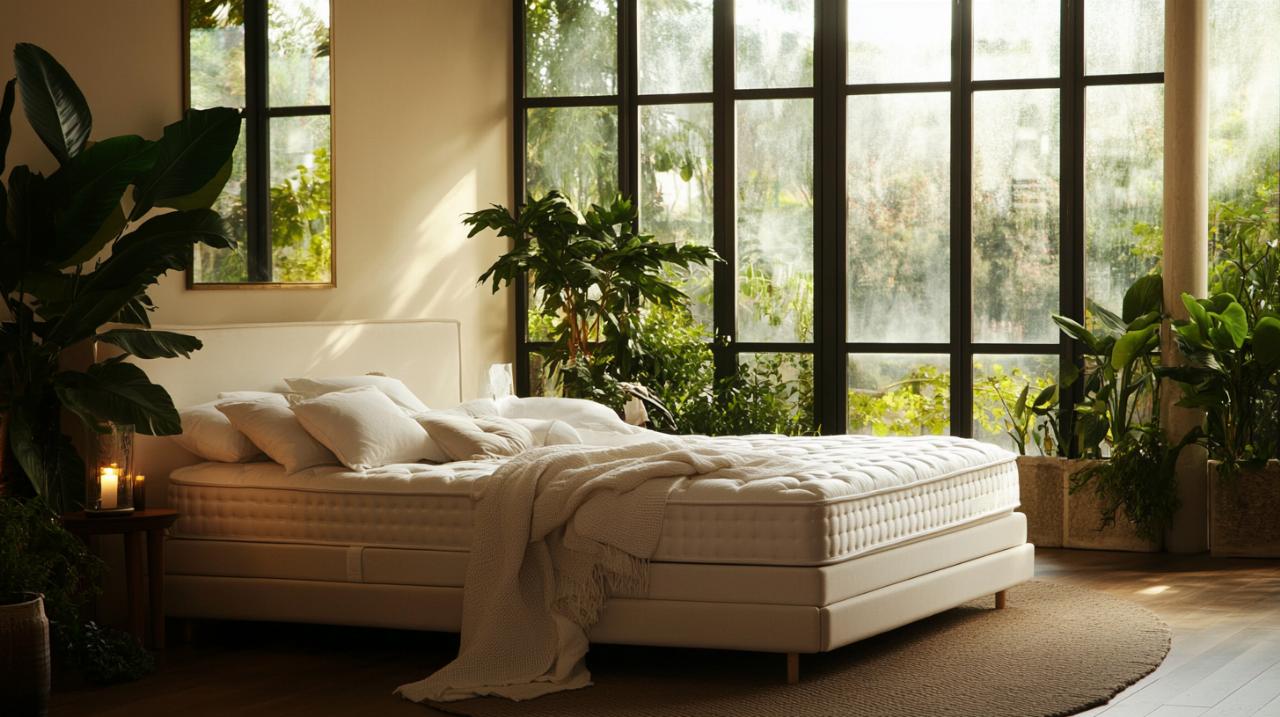
France has long been associated with craftsmanship and attention to detail, and this reputation extends to the production of high-quality bedding and mattresses. French manufacturing standards emphasise the use of natural materials, traditional techniques, and rigorous quality control, resulting in products that embody both elegance and functionality. By choosing mattresses and bedding from French artisans, parents can benefit from the expertise of craftspeople who prioritise sustainability and the health of their customers.
Local manufacturers in France often utilise materials sourced from the surrounding region, supporting local agriculture and reducing the environmental impact associated with long-distance transportation. This approach not only ensures the freshness and quality of the raw materials but also fosters a sense of connection between the maker and the consumer. Many artisan producers offer bespoke options, allowing families to customise firmness levels, materials, and dimensions to suit their specific needs.
Investing in a mattress from a reputable local or French manufacturer also means gaining access to warranties that reflect the confidence producers have in their products. Quality mattresses crafted from natural materials typically come with warranties of five years or more, providing assurance that the investment will deliver lasting comfort and support. This commitment to durability and customer satisfaction is a hallmark of traditional craftsmanship, distinguishing such products from mass-produced alternatives.
Creating a Healthier Bedroom with Organic Bedding Solutions
Beyond the mattress itself, the broader selection of bedding and bedroom accessories plays a vital role in establishing a healthy, comfortable sleep environment. From pillows to mattress protectors, each element contributes to the overall quality of rest and the wellbeing of your child.
Hypoallergenic properties of natural fibres
Natural fibres such as wool, lambswool, and bamboo offer inherent hypoallergenic properties that make them ideal for children with sensitivities or allergies. Wool, for instance, naturally regulates temperature and moisture, drawing perspiration away from the body and preventing the damp conditions that can encourage the growth of allergens. Contrary to the common misconception that wool bedding is only suitable for winter, its ability to manage moisture and temperature makes it a versatile choice for year-round comfort.
Lambswool, in particular, provides a gentle, soft surface that is kind to delicate skin while offering excellent insulation. This material helps to maintain a stable sleeping temperature, preventing the fluctuations that can disrupt sleep and leave children feeling restless. Bamboo is another popular option, valued for its silky texture and sustainable cultivation practices. Bamboo fibres are naturally moisture-wicking and breathable, making them a comfortable choice for warm sleepers or humid climates.
Pillows are another critical component of a healthy sleep environment. Latex and wool pillows provide firm, supportive options that maintain their shape over time, while cotton and PLA blends offer softer alternatives for those who prefer a more plush feel. Selecting pillows that match your child's sleeping position, whether they are side, back, or stomach sleepers, ensures that the neck and spine remain properly aligned throughout the night. Body pillows can also be beneficial for older children or teens who require additional support or who find comfort in hugging a pillow while they sleep.
Long-Term Value and Durability of Quality Materials
While the initial cost of organic and natural bedding may be higher than that of synthetic alternatives, the long-term value is undeniable. Quality mattresses made from natural materials such as latex or horsehair can last for fifteen to thirty years, far exceeding the lifespan of conventional foam mattresses. This durability means fewer replacements over time, resulting in both financial savings and a reduced environmental footprint.
Bedding made from organic cotton, linen, or hemp also tends to wear gracefully, becoming softer and more comfortable with each wash while retaining its structural integrity. This longevity is a testament to the superior quality of natural fibres, which are less prone to pilling, fading, or tearing compared to synthetic fabrics. By investing in high-quality bedding, parents can ensure that their child's sleep environment remains comfortable, supportive, and healthy for many years to come.
Mattress protectors and pads further extend the life of your investment by acting as a barrier against moisture, allergens, and everyday wear. Protectors are designed to shield the mattress from spills and accidents, while pads add an extra layer of comfort and cushioning. Choosing natural options for these accessories ensures that the entire sleep system remains free from harmful chemicals and synthetic materials, reinforcing the commitment to a healthier bedroom.
In conclusion, selecting organic latex and cotton bedding for your child is a decision that prioritises their health, comfort, and long-term wellbeing. By choosing natural materials, supporting quality craftsmanship, and investing in durable products, parents can create a sleep environment that nurtures growth, promotes restful sleep, and stands the test of time.