Imagine island-hopping across crystalline lagoons, wandering through vibrant markets brimming with exotic blooms, and discovering the secrets of a legendary beauty oil crafted from coconut and the fragrant Tiare Tahiti flower. The Monoi Road offers precisely this blend of adventure, culture, and wellness, guiding travellers through the heart of French Polynesia on a journey that transcends the typical beach holiday. This unique route invites you to immerse yourself in the traditions of Monoi de Tahiti, a nourishing oil deeply woven into Polynesian heritage, while exploring some of the most stunning islands on Earth. From the bustling streets of Papeete to the tranquil shores of Moorea and Bora Bora, every stop along the way reveals a new facet of island life, blending natural beauty with artisanal craftsmanship.
Planning your monoi road adventure: from papeete airport to paradise
Flights and Airport Transfers: Your Gateway to French Polynesia
Your journey begins the moment you touch down at Tahiti International Airport, located roughly twelve kilometres from the vibrant heart of Papeete. Securing a smooth airport transfer is essential for starting your holiday on the right note, and various services cater to travellers eager to reach their accommodation swiftly. Whether you opt for a private car hire or a shared shuttle, the scenic drive offers your first glimpse of the lush landscapes and turquoise waters that define this corner of the South Pacific. Flights to French Polynesia typically connect through major hubs, so it pays to plan ahead and book well in advance, especially during peak seasons when demand soars. Once you've navigated the airport formalities, the real adventure unfolds as you step into the warm embrace of Tahitian hospitality. Many visitors choose to base themselves near Papeete initially, allowing easy access to the Monoi Road's cultural and production sites before venturing further afield to neighbouring islands. Accommodation options range from boutique lodges like the Bounty Lodge in Arue, which boasts private pools and a prime location within the heart of the Monoi route, to larger resorts offering spa treatments and beachfront luxury. The key is to align your itinerary with your interests, whether that means prioritising factory visits and artisan workshops or simply soaking up the sunshine on white sand beaches. Traditional Polynesian beauty practices have long celebrated the benefits of coconut oil and the delicate Tiare Tahiti flower, and this reverence for natural ingredients permeates every aspect of the Monoi Road experience. By arranging your transfers and flights with care, you set the stage for a seamless exploration of this enchanting region, where every turn reveals another layer of island magic.
Crafting the Perfect Itinerary: Beaches, Boat Trips, and Beach Picnics
Building an itinerary that balances relaxation with cultural discovery is the secret to making the most of your Monoi Road adventure. Begin by mapping out the twenty-two stops on Tahiti and the four bonus locations on Moorea, each offering a distinct perspective on the cultivation, manufacturing, and uses of Monoi de Tahiti. Start your mornings with visits to Tiare Tahiti plantations and coconut groves, where you can witness the meticulous process of harvesting the blossoms and extracting the oil that forms the base of this storied product. Afternoons might be reserved for boat trips across glassy lagoons, where snorkelling reveals vibrant coral gardens teeming with marine life. As the day winds down, consider organising a beach picnic on one of the many secluded stretches of white sand, complete with fresh tropical fruit and local delicacies. The shallow waters of Plage Vaiava, often referred to as PK18, provide an ideal setting for swimming and snorkelling, while the nearby Three Waterfalls of Faarumai offer a refreshing interlude amid verdant jungle trails. Incorporating spa treatments into your schedule allows you to experience Monoi oil firsthand through traditional massage techniques, with establishments like Tavai Spa by Pearl Resort and Manea Spa offering services that draw on centuries-old beauty rituals. For those keen to delve deeper into the artisanal production of Monoi, factory visits at places such as the Laboratoire de Cosmétologie du Pacifique Sud and Tahiti Oil Factory provide fascinating insights into the blending of modern techniques with time-honoured methods. Guided tours often include demonstrations by local artisans like Robert Peretia, whose traditional Monoi production methods have been passed down through generations. Meanwhile, perfumeries such as Parfumerie Tiki and He'iva Cosmétiques showcase the diverse range of scents and formulations available, from suncare products to haircare masks infused with Tamanu oil. By weaving together these varied experiences, you create a rich tapestry of memories that capture the essence of French Polynesia's unique cultural landscape. Whether you're exploring botanical gardens, browsing the stalls at Papeete Market for handcrafted skincare, or simply basking in the island's abundant sunshine, each moment contributes to a holiday that nourishes both body and soul.
Island-hopping highlights: bora bora, moorea, and beyond
White sand beaches and flower-filled lagoons: the ultimate holiday vibes
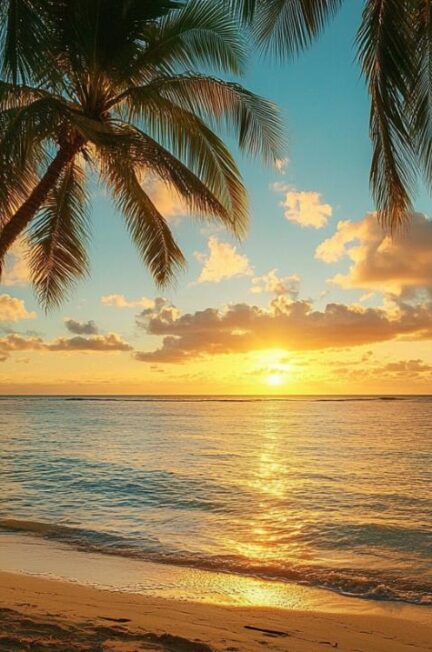
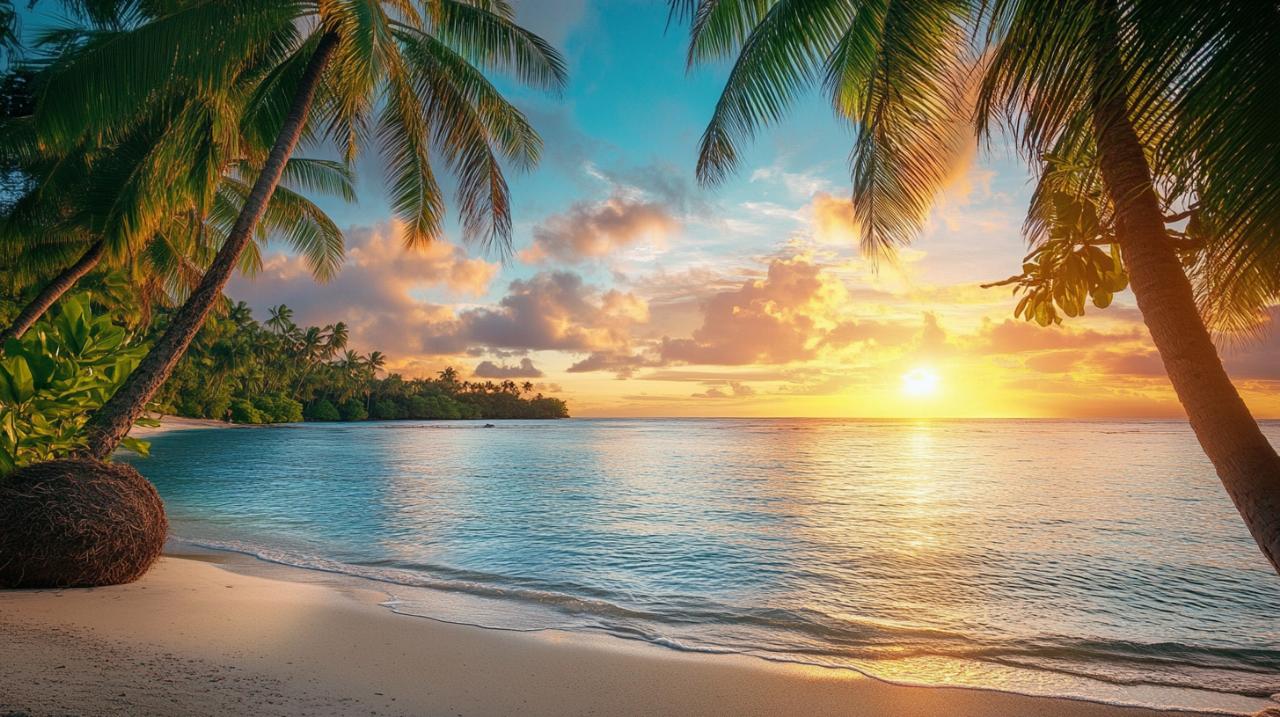
Few destinations rival the sheer visual splendour of Bora Bora and Moorea, where powdery white sand beaches meet lagoons so vivid they seem almost unreal. These islands epitomise the dream holiday, offering a backdrop of jagged volcanic peaks draped in emerald foliage and waters that shimmer in every shade of blue imaginable. Bora Bora, often hailed as the jewel of the South Pacific, enchants visitors with its overwater bungalows and coral reefs that invite endless hours of snorkelling and diving. The island's lagoons are not merely beautiful; they are ecosystems brimming with life, from graceful manta rays to schools of brightly coloured fish darting among the coral formations. Moorea, just a short boat trip from Tahiti, presents a more laid-back vibe while retaining all the natural grandeur that makes French Polynesia so irresistible. The historical sites around Opunohu Bay and the towering presence of Mount Tohiea, rising over twelve hundred metres, provide ample opportunities for hiking and photography. Along the shoreline, coconut groves sway gently in the trade winds, and the air is thick with the scent of Tiare Tahiti flowers, which locals harvest for use in Monoi oil and traditional beauty rituals. These blooms, revered for their delicate fragrance and cultural significance, are woven into garlands and used in religious practices, medicinal remedies, and wellness treatments. Visitors often spend their days alternating between exploring the islands' lush interiors and lounging on sun-drenched beaches, where the only decision required is whether to swim, snorkel, or simply lie back and absorb the tranquil atmosphere. The lagoons themselves are dotted with small motus, or islets, perfect for picnics and private moments of reflection. As the sun sets, the sky transforms into a canvas of pinks and oranges, casting a golden glow over the water and creating a sense of timeless beauty that defines the ultimate holiday vibes. Whether you're sailing across the lagoon, kayaking through shallow bays, or strolling barefoot along the sand, the islands of Bora Bora and Moorea offer a sanctuary where the stresses of everyday life dissolve into the horizon.
Exploring Local Markets with a French-Speaking Guide
Engaging a French-speaking guide can elevate your Monoi Road experience, providing insider knowledge and cultural context that transform a simple market visit into a rich educational adventure. Papeete Market, open daily from eight in the morning until five in the afternoon, serves as a bustling hub where locals and tourists alike browse stalls piled high with fresh produce, handcrafted goods, and an array of Monoi products. The market's vibrant atmosphere is infectious, with vendors calling out their wares and the aroma of tropical fruits mingling with the scent of fresh flowers. A knowledgeable guide can help navigate the maze of stalls, pointing out the best sources for authentic Monoi de Tahiti and explaining the nuances of the appellation d'origine that ensures quality and traditional production methods. Beyond the market, guided tours extend to other cultural landmarks such as Paofai Gardens, a waterfront park that opened in 2021 and offers stunning views alongside access to sites like the Maison de la Culture and the Pearl Museum. These gardens, open from early morning until late evening, provide a peaceful retreat where you can learn about the botanical heritage of Polynesia and the plants that play a role in traditional skincare and wellness. Your guide might also lead you to the Tahiti and Islands Museum, currently undergoing renovation, which houses an ethno-botanical garden showcasing the region's diverse flora. Visiting Tiare Tahiti plantations such as Taharu'u Fleurs or Fenua Hotu allows you to witness the cultivation process firsthand, with demonstrations often available by appointment. The French language remains widely spoken across French Polynesia, making a bilingual guide invaluable for facilitating conversations with local artisans and producers who may not speak English fluently. At stops like Huilerie de Tahiti, where coconut oil production takes place, or Parfumerie Sachet, where the art of blending scents is refined to perfection, a guide can translate technical details and historical anecdotes that enrich your understanding. Many tour operators offer customised itineraries that incorporate factory visits, plantation tours, and wellness experiences, ensuring that every aspect of your journey is tailored to your interests. By exploring local markets and production sites with a knowledgeable companion, you gain deeper insights into the traditions and techniques that have sustained Polynesian beauty rituals for generations, turning a holiday into a meaningful cultural exchange.
Discovering Authentic Monoi Producers and the Appellation d'Origine Tradition
What makes monoi oil special: a touch of tahitian heritage
Monoi de Tahiti stands apart from other beauty oils due to its unique composition and the rigorous standards governing its production. At its core, Monoi is a blend of Tiare Tahiti flowers and coconut oil, macerated together to create a nourishing elixir that has been cherished by Polynesians for centuries. Originally employed in religious practices and as a medicinal remedy, Monoi has evolved into a cornerstone of health and beauty routines, celebrated for its ability to protect skin from the sun, soften dry patches, and impart a natural glow. The appellation d'origine designation ensures that only products made according to traditional methods and using specific ingredients can bear the Monoi de Tahiti name, safeguarding the heritage and authenticity of this treasured oil. The Tiare Tahiti flower, a fragrant bloom native to the islands, is handpicked at the peak of its potency and steeped in pure coconut oil extracted from locally grown coconuts. This process, which can take several weeks, allows the oil to absorb the delicate aroma and beneficial properties of the flowers, resulting in a product that embodies the essence of the South Pacific. For hair, Monoi oil offers deep conditioning, combats dandruff, and adds a lustrous shine, making it a versatile addition to any beauty regimen. The oil's versatility extends to suncare, where it provides a natural layer of protection while enhancing the tanning process, and to bodycare, where it serves as a luxurious lotion, balm, or ingredient in shower gels and soaps. Beyond its cosmetic applications, Monoi holds profound cultural significance, representing a connection to the land and the wisdom of ancestors who first discovered its remarkable properties. The GIE Monoi de Tahiti and the Monoi de Tahiti Association work tirelessly to preserve these traditions, promoting sustainable travel and eco-tourism initiatives that benefit local communities. By choosing authentic Monoi products, travellers support artisanal production and help sustain the livelihoods of those who maintain these age-old practices. The Monoi Road itself serves as a living testament to this heritage, guiding visitors through the entire lifecycle of the oil, from the coconut groves and flower fields to the laboratories and perfumeries where it is refined and bottled, ready to be shared with the world.
Meeting local artisans: from coconut groves to bottled sunshine
One of the most rewarding aspects of the Monoi Road is the opportunity to meet the artisans who dedicate their lives to perfecting the craft of Monoi production. At stops like the Tahiti Oil Factory in Taravao, open from Monday to Thursday until mid-afternoon and on Saturday according to their social media schedule, visitors can observe the transformation of raw coconuts into pure oil, a process that combines traditional techniques with modern efficiency. Tours are available on demand and free of entry, offering a behind-the-scenes look at the machinery and methods employed to extract the highest quality coconut oil. Similarly, a visit to Robert Peretia, a traditional Monoi producer based in Papara, provides a more intimate glimpse into the artisanal approach, where small batches are crafted with meticulous attention to detail. Demonstrations can be arranged by appointment, allowing you to witness the maceration process and ask questions about the history and evolution of Monoi production. The perfumeries scattered across the island, such as Parfumerie Tiki in Faa'a and He'iva Cosmétiques in Paea, showcase the diverse applications of Monoi, from scented mists and perfumes to haircare masks and suncare formulations infused with Tamanu oil. These establishments often offer tours on request, where staff explain the blending of natural ingredients and the careful balance required to create products that honour traditional beauty rituals while meeting contemporary skincare standards. At the Laboratoire de Cosmétologie du Pacifique Sud, located in Papara and bookable online, visitors can explore the scientific side of Monoi production, learning about the testing and quality control measures that ensure every bottle meets the stringent criteria of the appellation d'origine. The experience of walking through coconut groves and Tiare Tahiti fields, breathing in the tropical air and feeling the soft earth beneath your feet, connects you to the land in a way that no factory tour alone can achieve. Artisans often share stories passed down through generations, recounting how their ancestors used Monoi for everything from anointing newborns to preparing for ceremonial dances. These narratives enrich your understanding of the oil's role in Polynesian culture and underscore the importance of preserving these traditions in the face of modern commercialisation. By purchasing directly from producers and supporting local markets, you contribute to a sustainable model of tourism that respects the environment and empowers communities. The journey from coconut groves to bottled sunshine is a testament to the resilience and creativity of the Polynesian people, and the Monoi Road offers a unique window into this vibrant world, where every stop reveals another chapter in the story of this extraordinary oil.